DON’T BLOW YOUR BONUS
With December around the corner, this is how you can avoid Januworry

DON'T GO OVERBOARD: Year-end shopping is tempting
Image: Zanele Zulu/ Independent Newspapers
Many people think that they are automatically entitled to a bonus (particularly at year end) from the company or organisation that they work for.
This isn’t the case. Unless the payment of a 13th cheque or bonus is specifically stipulated and agreed upon in your employment contract, then your bonus is at the discretion of your employer.
For those who are lucky enough to receive a year end bonus or a 13th cheque, make sure to use it wisely.
I don’t want to put a damper on the long-awaited festive season, but now is not the time to
be spending recklessly and getting deeper into debt.
Here are a few dos and don’ts for your bonus:
Pay off your debt
One of the best things you can do if you have any extra cash is to pay off your debt.
Make a list of all your creditors and note how much your outstanding balance is, as well as how many months you still have to pay and most importantly, what the interest rate is of each debt that you are paying
If possible, try and pay off at least the debt with the highest interest rate, because that is the most expensive one. If you can’t do that, then at least try to pay off your smallest debt entirely.
Psychologically that will give you a huge sense of accomplishment, and give you a boost as you go into 2026.
Set aside money for an emergency fund
The importance of having some money set aside in case of an emergency, cannot be overstated.
The two most important features of an emergency fund are that the money is easily accessible and that the money is kept in a separate account
Not having money set aside for an emergency, often leads to consumers approaching mashonisas or unregistered loan sharks who charge exorbitant interest rates and make it almost impossible to get out of debt.
Make school fees, university fees, school uniforms and stationery costs a priority
Most institutions will give you a discount when you pay your fees for the year upfront.
By making a large payment at the beginning of the year, you free up cash on a monthly basis (by not paying it in monthly installments).
That “monthly installment” can then go towards your debt, or much-needed necessities.
School uniforms and stationery should already have been budgeted for and prioritised, if not, a bonus is a perfect means of paying for that.
It will definitely save you from unwanted stress when school starts.
Put money into your home loan
By putting extra money into your home loan, you reduce the capital amount owed and create a buffer against future interest rate hikes.
Invest in your career development
Jobs are scarce and the job market is very competitive.
Invest in extra courses, skills training and any other form of career and self-development that will give you an edge when it comes to employment.
Don’t spend your bonus before you get it
One of the worst mistakes you can make is to spend your bonus before it actually lands in your bank account.
Wait for written confirmation from your employer on the exact amount of your bonus before taking any action with it.
Also remember that your bonus is taxable. Take that into account before spending more than you might actually get.
Remember that Januworry is a very long month
If you get paid in the middle of December (like most people in South Africa do) then your next full salary will only be in six weeks’ time at the end of January.
Be realistic about how much money you spend over the festive season and if needs be, factor your bonus into keeping your afloat till your end of January salary.
Don’t use your bonus as a deposit for more debt
The idea now is to get rid of your debt, or at the very least get it under control.
Getting into a new loan with long repayment terms is not a good idea.
If you are in any way uncertain of your income, then don’t make big plans with your expenditure and don’t blow your bonus.
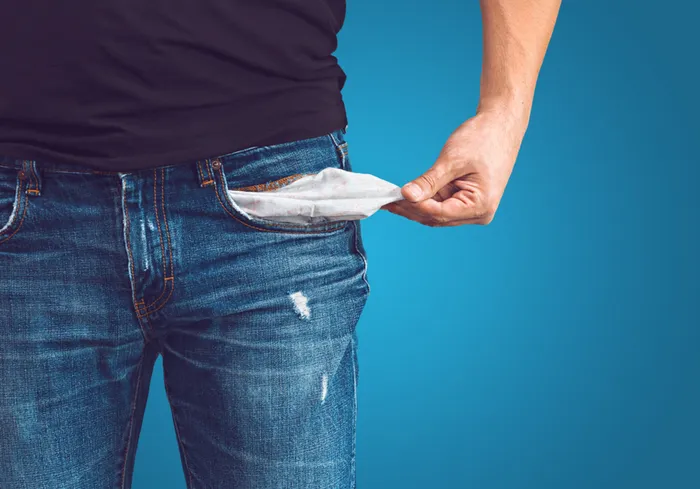
PLATSAK: Don't get caught out
Image: File
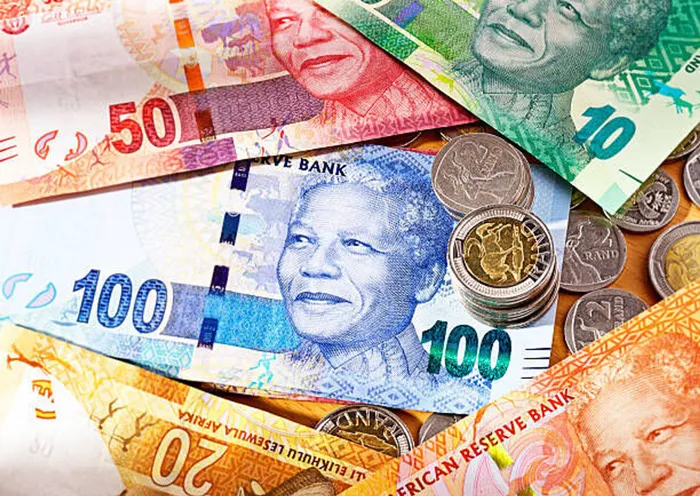
TAKE NOTE: What to do, or not to do with your bonus
Image: Picture: Independent Newspapers.