SPECIAL REPORT: ‘WYN BRING DIE PYN’
Does destroying alcohol make communities safer during the festive season?
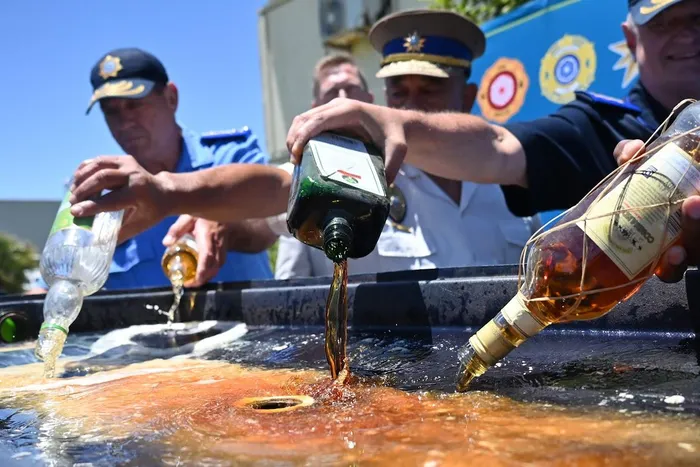
City of Cape Town's Mayoral Committee Member for Safety and Security JP Smith and other officers destroying thousands of litres of confiscated alcohol. The alcohol, seized primarily from public spaces and beaches, is destroyed in accordance with the City's bylaws and impoundment policy.
Image: Ayanda Ndamane/ Independent Media
AS THE festive season reaches its peak, duisende litres alcohol are being destroyed by the City of Cape Town. But as alcohol-related incidents continue to claim lives and devastate communities on the Cape Flats, questions remain about whether enforcement alone is enough to prevent harm.
The City recently destroyed nearly 3 000 litres of alcohol at its Ndabeni Pound amid ongoing challenges around alcohol consumption in public spaces and its impact on public safety.
During the first 11 days of December, the liquor pound received 1 814 units/bottles of confiscated alcohol, amounting to just under 740 litres.
And by 28 December, those figures increased to 9 838 units - roughly 4 600 litres.
Mayoral Committee Member for Safety and Security JP Smith said the figures once again highlight the scale of the problem faced each festive season.
Smith said: “It’s a clear indication – once more – of what we are faced with each and every year. These totals will balloon over the coming weeks, and next year, we’ll dispose of it all.
“The City takes a lot of flak for the alcohol destruction, but the outrage around the destruction that irresponsible alcohol use causes is far more muted.
“We can significantly reduce incidents of interpersonal violence, drownings, road accidents and pressure on our trauma centres and enforcement services by making different choices, yet for many people this is simply too big an ask.”
The Western Cape Mobility Department said that during the festive season’s peak travel period between 15 and 21 December, provincial traffic law enforcement made 98 arrests, of which 56 were for driving under the influence.
To curb dangerous driving behaviour, Provincial Traffic Services implemented 196 integrated roadblocks, vehicle checkpoints and speed control operations across the Western Cape.
Western Cape Mobility Minister Isaac Sileku said the figures were a sobering reminder of the responsibility carried by every road user.
Sileku said: “While we are encouraged by the strong enforcement footprint and the dedication shown by our traffic officers, the loss of life on our roads is deeply concerning.
“Driving under the influence, excessive speeding and unsafe pedestrian behaviour are preventable causes of tragedy. We appeal to every motorist and pedestrian to make responsible choices so that families are not robbed of loved ones during this festive season.”
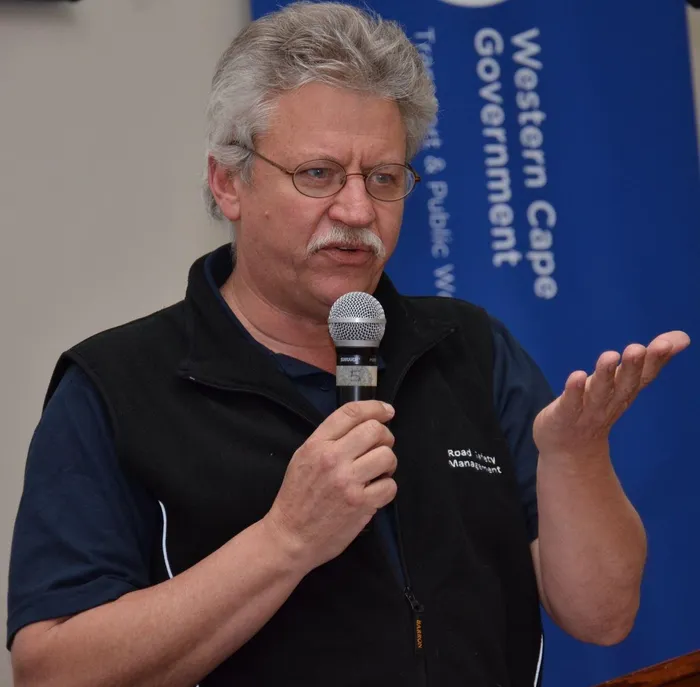
Road Safety Consultant David Frost of David Frost Road Safety.
Image: Arrive Alive
Road safety consultant David Frost of David Frost Road Safety said whether alcohol enforcement measures such as confiscation and destruction reduce drunk-driving crashes depends largely on the context in which the alcohol is seized.
Frost said: “Most of the confiscations are done, in my understanding, in specific places where alcohol is regulated by way of municipal regulations or by-laws.
“People are prevented from taking alcohol to places such as beaches and other areas of relaxation and entertainment. That type of confiscation is removed from driving and is linked to a by-law.
“Then you also have confiscations by the police relating to illegal liquor outlets and the selling and supplying of alcohol, such as taverns and shebeens, where the alcohol is destroyed as it forms part of an offence.”
Frost explained that while confiscation at beaches may prevent people from drinking in public spaces before driving home, individuals still have a choice before enforcement action takes place.
He said: “People can choose to go home and drop the alcohol off so that it is not confiscated, or put it in their car, but many have walked a far distance and are not willing to do that.
“Alcohol enforcement can have an impact, but often a secondary one. The primary concern is preventing drinking in public places, which can lead to interpersonal conflict and violence, and ultimately drunk driving, because people eventually need to get home.”
City of Cape Town officers recently issued a fine to a beachgoer in Muizenberg after they were found in possession of more than 20 units of alcohol, including beers, whisky and ciders.
Alcohol-related harm is also being felt through interpersonal violence in communities. Earlier this month, Mitchells Plain police registered a murder case following a stabbing incident in Chelsea Street, Tafelsig.
Police spokesperson Sergeant Wesley Twigg said a 30-year-old-man was fatally stabbed following an argument with a family member.
Twigg reported: “The victim was transported to a medical facility for treatment, where he was declared deceased on arrival. The circumstances surrounding the incident are under investigation.”
Mitchells Plain Community Policing Forum (CPF) chairperson Norman Jantjes said the incident was deeply disturbing and pointed to a broader pattern of violence within families.
Jantjes said: “There have been similar cases where a person killed a brother, and another where a person killed a father.
“Some of these cases involved alcohol and drugs. We’re sure no person intentionally murders their own family member, but it indicates a traumatised community and how conflict is being resolved.
“Many of our young men fail to resolve differences constructively. Walking away from conflict or seeking help from a third party is often not seen as an option. We also need to refrain from alcohol and drug abuse, especially during the festive season.”
Frost added that drinking and driving is never harmless, warning against the mindset that tragedies only happen to others.
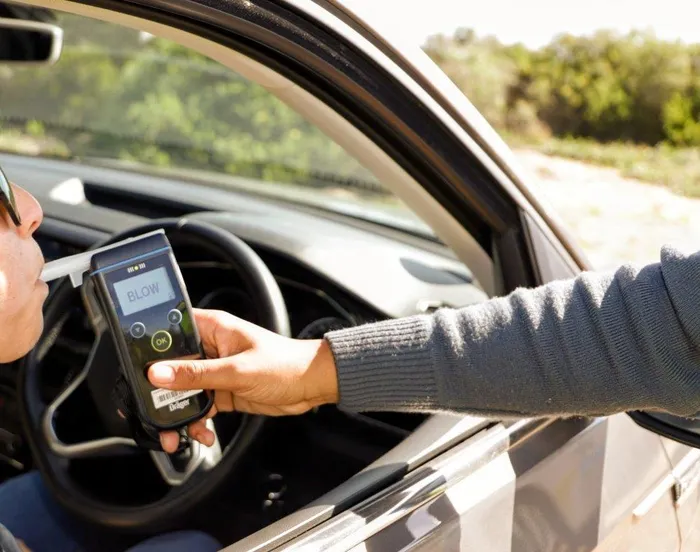
The Western Cape Mobility Department said that in the midst of the festive season’s peak travel period between 15 and 21 December the provincial traffic law enforcement made 98 arrests of which 56 account for driving under the influence.
Image: File/WCG
He said: “You might be the person being killed or injured by a drunk driver, or you might be the drunk person who kills or injures someone else, or you get caught.
“Never have the mindset that it can never happen to you.”
The dangers of drunk driving were brought into sharp focus earlier this year when Law Enforcement Advancement Programme (LEAP) officer Lyle Thomas was killed on 14 December after being knocked down by a driver, who was later confirmed to be under the influence of alcohol, while he was assisting at an accident scene.
Frost said that while enforcement plays an important role, it is most effective when combined with visible policing, regular roadblocks and sustained public education.
“Public education is key, but people know what the limits are. Stricter penalties are not necessarily supported in reducing alcohol-related crashes in the sense that our legislation makes sufficient provision a strict penalty,” Frost explained.
“People can get up to a 6 year sentence or R120 000 fine for drinking and driving, but that doesn’t happen. The penalty is there it is for the courts to impose and for the officers giving evidence who need to bring evidence in aggravation so that higher sentences can be imposed.”
He added that people are far less likely to drink and drive when they know there is a real risk of being stopped. But long-term change only happens when attitudes towards alcohol and responsibility start to shift.