'EACH DAY GETS HEAVIER' - Experts reveal how missing cases damage families left behind
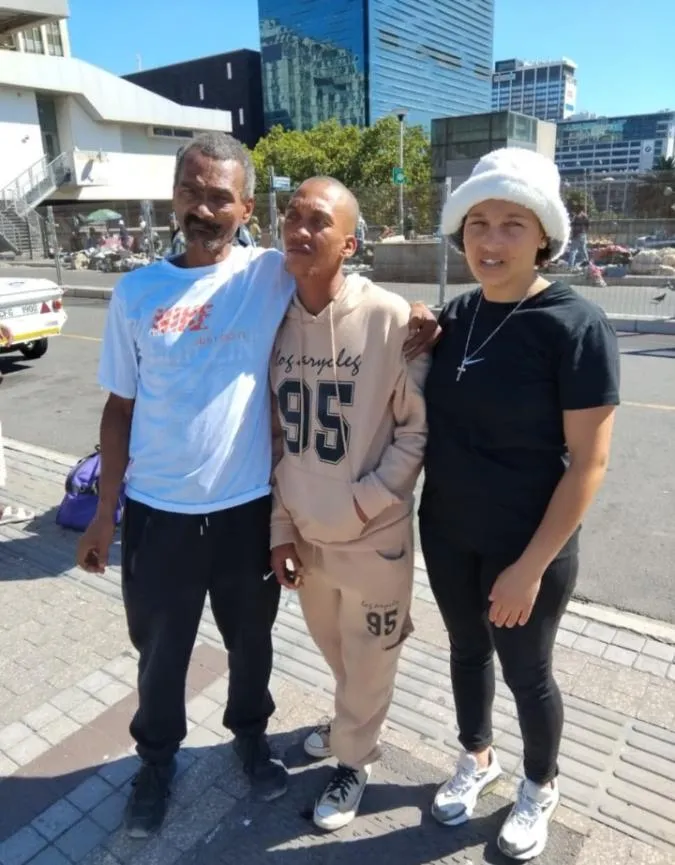
Leonard Rudolph, Ebrahiem Rudolph and Shameema Rudolph reunited.
Image: Supplied
SEARCH FOR ANSWERS - Experts reveal the painful experience of families of missing relatives
WHEN a missing person is finally found, it’s a joyful moment of relief and emotions. But for many others, the search never ends, leaving loved ones trapped between hope and heartbreak.
Across the Western Cape, families continue to search for missing relatives, with some cases ending in long-awaited reunions while others remain shrouded in painful uncertainty.
In a recent case, a Tafelsig family preparing to bury Ebrahiem Rudolph, 35, were instead reunited with him after a missing person’s post revealed that he had been living on the streets of St Helena Bay for the past five years.
His sister, Shameema said that on her birthday on 21 January, she prayed for a vision or sign that he was still alive, only for her prayers to be answered via Facebook.
She explained: “I am very happy we found my brother and that he is back home with us.”
While the Rudolph family’s reunion offered a rare moment of hope, many families across the Western Cape remain trapped in painful uncertainty, still searching for loved ones who vanished without a trace.
Shamielah McConnie, the mother of missing Mishaadien Stemmet, said that every day without answers feels heavier as months pass with no sign of her daughter who went missing on 7 May 2025 in Old Woodlands, Mitchells Plain.
She said: “My only wish is to only see her face, I want to hear her voice, I want to hold her. I even miss that she works on my nerves. I miss her so much. It’s killing me so much inside.”
Police said that the matter is still under investigation and that the search continues.
As some families wait in anguish with little information, others have seen searches intensify with communities, police and volunteers rallying around cases that refuse to fade from public memory.
In November, the Wynberg Family Violence Child Protection Sexual Offences Unit offered a cash reward of up to R50 000 for information on the disappearance of Anovuyo Oncke who went missing on 7 September 2025.
Police previously confirmed that Anovuyo’s parents were arrested during the investigation, a development that drew widespread public attention before they were later released as investigations continued.
Police said the investigating officer is following up all leads in bid to make a breakthrough in the case.
Professor Soraya Seedat, a Distinguished Professor of Psychiatry and Executive Head of the Department of Psychiatry at Stellenbosch University says that science is only now gaining an understanding of how these cases affect those left behind.
In the past decade, the concept of “missingness” - the prolonged uncertainty about a loved one’s whereabouts and wellbeing - and its psychological impact on families has been systematically examined.
She explained that over time the uncertainty of a missing loved one affects families commonly through depression, anxiety, post-traumatic stress, prolonged grief and anger.
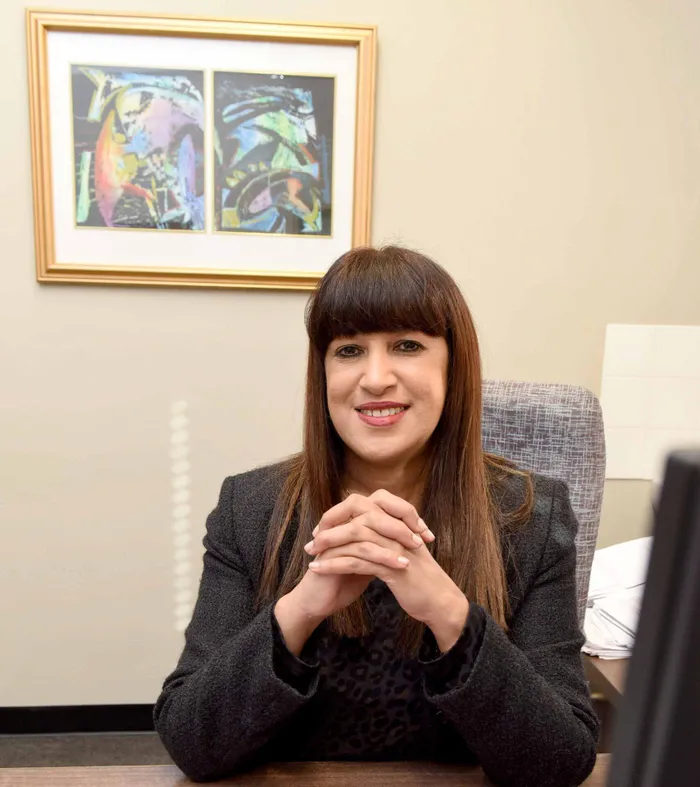
Professor Soraya Seedat, a Distinguished Professor of Psychiatry and Executive Head of the Department of Psychiatry at Stellenbosch University.
Image: Spotlight/Nasief Manie
Seedat told the Daily Voice: “The direction of anger varies: unclear disappearances may elicit anger toward the missing person, others who urge families to “move on,” or authorities involved in searches.
“When disappearances occur unexpectedly and without explanation, distress often arises from the ongoing burden of not knowing, repeated searches, and persistent oscillation between hope and despair rather than from a single traumatic event.
“Strong hope that the missing person is still alive has been linked to greater psychological distress.”
She added that families of missing persons often experience what is known as ambiguous loss.
Seedat explained: “Ambiguous loss refers to situations in which a loved one is physically absent but psychologically present. Unlike bereavement after a confirmed death, there is no closure.
“Families are forced to live with simultaneous hope and fear, resulting in chronic distress and fluctuating emotions.”
She said prolonged uncertainty places sustained strain on families and disrupts normal grieving processes, adding: “Over time this can contribute to chronic anxiety, depression, post-traumatic stress, conflict in relationships and difficulties with daily functioning.”
She added that reunions, while often longed for, can also be emotionally complex.
Seedat said: “Families have to adjust to changes in the returning person, shifting family roles, lingering trauma and unresolved tensions. As a result, emotions are often mixed — joy and relief frequently coexist with fear, anger and confusion.”
While psychologists highlight the emotional toll of missingness, those working directly on cold cases say the reasons people disappear and why cases stall are often far more complex.
Chaz Thomas from Track and Trace works on cold and long-term missing persons cases, and said many people who are later found alive had left home due to overwhelming personal circumstances.
Thomas said: “Challenges in the home, work environment, mental, physical and emotional burnout often cause people to opt out of situations they feel they can no longer control. In some cases, they would rather live on the street than remain in those circumstances.”
She said families searching for loved ones often face frustration and feel unsupported once initial awareness efforts slow down.
Thomas said: “Families feel unheard and helpless, particularly when there is little follow-up after a missing person’s flyer is shared on official pages. I am not referring to search and rescue organisations, but to missing persons organisations where families feel there is no ongoing support.”
She explained that once missing persons are found, communication can also become complicated. She added that this is often linked to privacy, ongoing investigations or the need to protect the person who has been found.
She said public awareness and social media can be powerful tools, but must be used responsibly.
Thomas said: “Social media plays a role in spreading information quickly, especially in cases involving missing children or vulnerable adults, but circumstances such as safety, race and gender need to be taken into account.”
She added: “Distributing information outside of appropriate communities can place a child at further risk and may amount to sensationalism rather than meaningful assistance.”
For families still searching, each day without answers brings renewed pain, unanswered questions and fading hope.
As investigations continue and communities rally behind missing persons cases, families say their greatest wish remains simple: answers, dignity and the chance to heal.

Chaz Thomas, founder of Track and Trace.
Image: Facebook