WHEN WILL IT END?
It's not easy to Skrik For Niks as a woman in SA's GBV hell
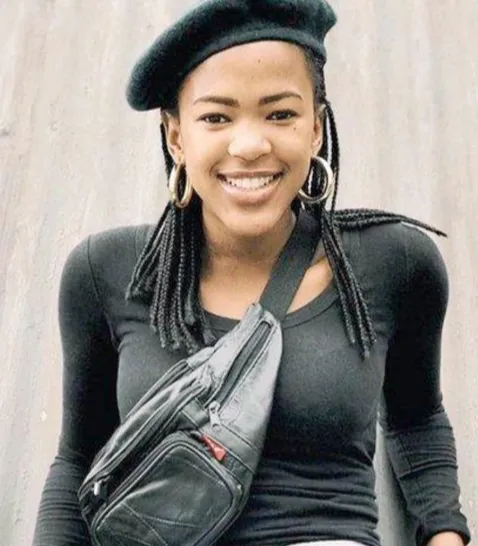
File REMEMBERED: UCT student Uyinene Mrwetyana, 19, was raped and killed in Cape Town in August 2019
Image: Independent Newspapers
FOR a female reporter working for the Daily Voice, it’s not easy to always live by the newspaper’s tagline: Ons Skrik Vir Niks.
Not with the pandemic of Gender-Based Violence running wild in our city or in South Africa for that matter.
That’s why I’m so encouraged by Women for Changes’ G20 Women’s Shutdown as vroumense from all over the city and country get ready to make their voices heard this Friday in a mass demonstration.
Organised to coincide with the world’s eyes on the G20 Summit in Johannesburg, it’s a move to force the government to do more to protect the women of this nation.
As roughly half of the population of Mzansi, women have been called to not work and not spend money for one day, to show what they mean to the economy.
Allies have been called to wear black to stand in mourning and resistance to join the 15-Minute Standstill by lying down for 15 minutes at 12pm to honour the 15 women murdered every day and bring South Africa to a complete standstill.
And of course to change your profile picture to purple to make the Shutdown visible online.
While working on a story and making my way to a family for an interview, my main concern wasn’t whether the area was a red zone for shootings, but whether I would get robbed, assaulted, or raped.
I thought: if something happened to me, would my family know? Would my face end up on a poster on Women for Change’s page?
This is the sad reality for so many women – leaving home without knowing if they’ll make it back safely.
But what about so many women who have to deal with abuse in their homes? A place which is supposed to be their safe space.
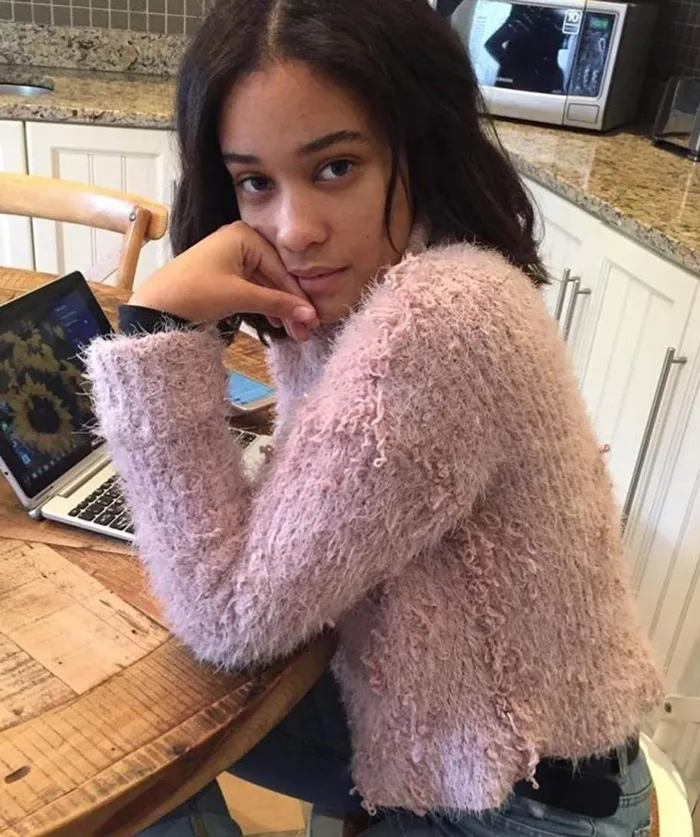
VICTIM: Jesse Hess
Image: File
Cape Town remains at the forefront of South Africa’s gender-based violence crisis, with survivors, activists, and officials all warning that urgent intervention is needed.
City of Cape Town spokesperson for the Public Emergency Communication Centre (PECC), Estelle-Mare Ward, reports that the City recorded 337 calls for domestic violence during August, there were 285 the following month, and 330 in October.
Women for Change, a non-profit organisation advocating for survivors’ rights, has announced a planned national shutdown on 21 November to demand that the government formally declare gender-based violence a national disaster.
The organisation cites the growing prevalence of abuse, attacks on women, and the ongoing challenges survivors face in accessing justice.
According to Women for Change, in just one year, 5 578 women were murdered, a 33.8 percent increase from the previous year. This marks the country’s femicide rate as six times higher than the global average.
In Cape Town, there have been pivotal GBV cases that left many angered, including Jesse Hess, Leighandre “Baby Lee” Jegels, and Uyinene Mrwetyana.
I recalled when the news broke of Uyinene’s case, during the 2019 Rugby World Cup. As South Africans, we love our rugby and I enjoy watching the Springboks as much as anyone.
But it was impossible to enjoy fully while femicide was happening around us.
Her murderer, Luyanda Botha, was sentenced to life imprisonment the same year of the incident.
Earlier this year, however, he was acquitted of an attempted rape charge from a 2014 incident.
I asked Uyinene’s mother, Noma, if she felt that had this case not been struck off the roll, if her daughter would still be alive today.
She said: “While we cannot change the past, this underscores the urgent need for our justice system to take every report of gender-based violence seriously.”
Many citizens have changed their profile pictures to purple, to stand in solidarity with victims who are no longer with us, victims fighting against their perpetrators, and victims who may not have the courage to speak out because they are afraid they won’t be heard.
Every report ignored, every story silenced, is a life at risk women are demanding their voices be heard before it’s too late.
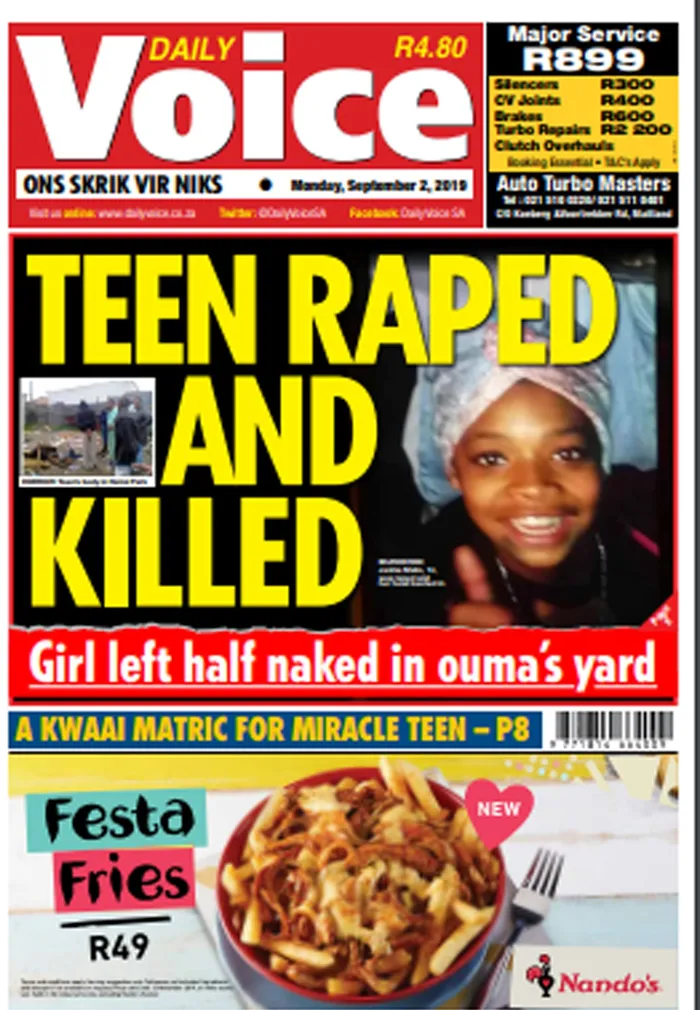
BRUTAL: Janika Mello was raped and killed
Image: File