A WILL IS THE WAY
Get your final affairs in order for free this month
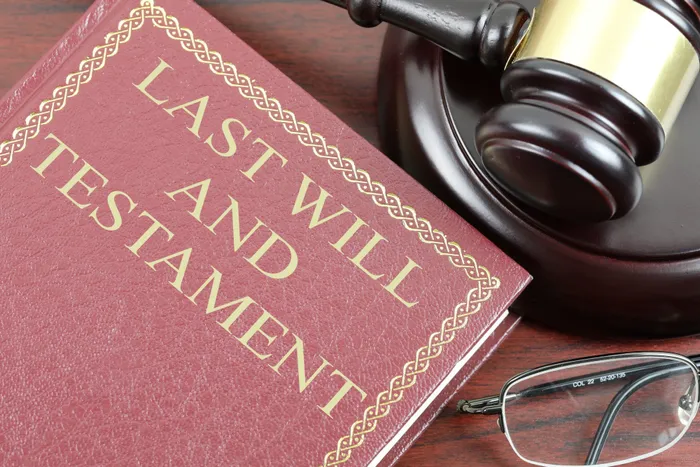
GET IT DONE: September is Wills Month and most organisations will help draft one for free this month
Image: Pix4Free
SEPTEMBER is Wills Month.
Around 75 percent of South Africans die without a valid will. This can lead to ugly, traumatic showdowns between family and friends after people die.
Mense baklei lelik oor geld as familie dood gaan!
Luckily, many organisations (including banks) draw up free wills, especially during September, which is Wills Month.
Capital Legacy, a leader in wills and estates, answered some frequently asked questions.
What are the requirements for a will to be valid?
For a Will to be valid in South Africa, it must adhere to the requirements set out in the Wills Act 7 of 1953.
These requirements include that:
The person making the will (the testator) must be over the age of 16 years.
The will must be in writing.
The testator must sign the will on each page, and at the end.
The signing of the will should be witnessed by two competent, independent witnesses, who sign on each page and at the end of the Will too.
Who can witness a will?
Someone who is:
At least 14 years old and of sound mind.
Not mentioned in the will as executor, trustee, heir, legatee, or beneficiary.
Not the spouse of anyone named in the will.
What is the difference between a Trust and a Will?
A will is a document that contains your final wishes for how you want your estate to be distributed when you pass away.
Your will would include details of who will inherit your assets when you pass away, this includes, for example, your property/ies, cars, jewellery, investments, etc.
Without a will in place, there are no clear instructions as to how you want your Estate to be distributed, and so the law of Intestate Succession will apply, which means your Estate will be distributed according to a set formula by the government.
You must make sure your will complies with the Wills Act to ensure it is valid.
A Trust, on the other hand, is a legal structure established to transfer property and assets to beneficiaries. A trust requires continuous management by Trustees, but can be a helpful structure for Estate Planning.
When set up correctly, they provide financial provision, safeguarding of assets and certainty for beneficiaries until the beneficiaries can manage their inheritances effectively on their own.
This means they enable financial guardianship for your beneficiaries, much like a guardian who will care for your children.
There are certain tax exemptions which may be applied to the trust depending on its specific purpose.
This helps ensure that the inheritance, which is left to minor children or beneficiaries who are unable to manage their own financial affairs, is handled well and to their benefit.
In the case of minors and individuals who are unable to manage their own finances, if no trust is in place, their inheritances are paid to the Government Guardian’s Fund.

EMOTIONAL: Process can be stressful
Image: Pexels
Why do many people still die without a valid will?
Superstition: People feel that if they think about writing a will, they would actually cause their death or misfortune.
Trust: Others genuinely feel that their children are responsible enough to share their estate amongst themselves, and in accordance with their wishes. Therefore, they don’t think they need a will. But we have all seen how inherited money can turn people into monsters.
Too young: Some people feel they only those on their deathbed should be drawing up a will.
Property isn’t valuable enough: Others think their property just isn’t worth enough for them to have a will drawn up.
What are the most common consequences of not having a will?
The government decides the distribution of your assets according to intestate law, which may not align with your wishes.
Delays in settling your estate due to the absence of clear instructions.
Potential family disputes over asset distribution.
No provision for, or nomination of, preferred guardians for your minor children, leaving their future uncertain.
The Law Society of South Africa, also lists additional consequences such as:
Your assets may not be left to the people you would have chosen.
It can take a long time to have an executor appointed. The executor who is appointed may be somebody you may not have chosen yourself.
There can be extra and unnecessary costs.
Can the Executor of a will change anything?
No. The Executor of a Will does not have the authority to change anything in a will.
This year, National Wills Week runs from 15-19 September.
Most organisations will assist in drawing up free wills for the entire month of September.
I would suggest you that you get a valid will drafted, and save your family the distress of having to deal with the consequences of not having a valid will when you pass on.

INHERITANCE: Ensure your family is provided for
Image: Freepik