Reggae icon Jimmy Cliff mourned
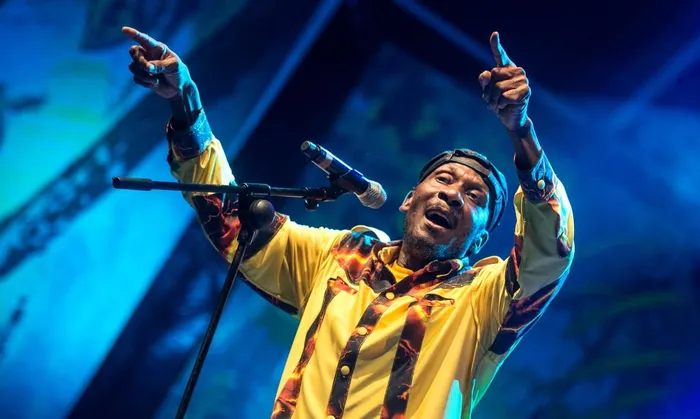
Jamaica's Jimmy Cliff, the iconic reggae star who helped transform the island's music into a global cultural phenomenon
Image: JOSE JORDAN / AFP
ICONIC reggae star Jimmy Cliff who helped transform the genre into a global cultural phenomenon died on Monday at the age of 81.
His family announced the death in a post on Cliff's official Instagram account, saying he "has crossed over due to a seizure followed by pneumonia."
Over four decades, Cliff ( born James Chambers in July 1944) wrote and sang songs that fused reggae with his sensibilities for folk, soul, rhythm and blues, ska and rock music, and addressed issues like politics, poverty, injustice and war protest.
The singer of hits like "You Can Get It If You Really Want," "Many Rivers to Cross," and "The Harder They Come," Cliff is widely seen as reggae's most influential figure after the late Bob Marley, with whom he collaborated early in Marley's career.
Cliff built a major following, beginning with the wildly successful 1972 film "The Harder They Come," which starred the charismatic musician as a rural young man navigating gangs and street life as he sought to break into Jamaica's music business.
It drew in part from his own experiences growing up in poverty, and introduced him and reggae music to a global audience.
Cliff enjoyed a new generation of fans when he recorded Johnny Nash's "I Can See Clearly Now," which featured in the popular 1993 film "Cool Runnings."
"The essence of my music is struggle," Cliff said in 1986, according to the Rock and Roll Hall of Fame, which inducted him in 2010. "What gives it the icing is the hope of love."
This line from "The Harder They Come" illustrates social justice as a theme of Cliff's music: "But I'd rather be a free man in my grave, than living as a puppet or a slave."
Cliff said at his induction ceremony that he actually "grew up listening to rock and roll music, outside of our Indigenous music in Jamaica," and that he drew inspiration from the greats, including Sam Cooke, Ray Charles and Jimi Hendrix.
"Music is about being inspired," said Cliff, winner of two Grammy Awards for best reggae album -- "Cliff Hanger" in 1985, and "Rebirth" in 2012.
In Jamaica on Monday, Cliff was remembered as a national hero.
After Cliff's death was announced, Jamaican Prime Minister Andrew Holness said the Caribbean nation was pausing to honor "a true cultural giant whose music carried the heart of our nation to the world."