ONE LESS JANU-WORRY - How to plan your festive spending to avoid New Year's blues

RETAIL THERAPY: End-of-year shopping
Image: Leon Nicholas/Independent Newspapers
ONCE December hits, most of us are utterly exhausted, and the idea of some retail therapy is definitely a “pick me up”.
After a tough and challenging 2025, I am not saying you don’t deserve it, I am just suggesting caution in your spending, and reminding you to budget carefully till the end of January, while keeping up with your debt repayments.
The festive season can be testing for even the most financially disciplined consumers and by the time South Africans return to work, many will have spent more than they can afford.
According to René Moonsamy, chairperson of the National Debt Counselling Association (NDC), it’s a cycle that repeats itself year after year, with debt counselling enquiries spiking every January and February.
Several factors contribute:
- The season is the peak time for retail sales. Marketers entice consumers to spend, starting from Black Friday and extending into the New Year sales.
- Besides the lure of shopping, most people are on leave and spending on holidays, entertaining and enjoying themselves.
- Companies often pay employees early in December, so salaries must stretch a month and a half until the end of January, aggravating the New Year cash crunch.
- An underperforming economy means many employers cannot pay year-end bonuses, so consumers have no cushion to cover the additional festive-season expenses.
- People don’t always budget for New Year expenses such as back-to-school costs or annual price increases for services or insurance, which usually come into effect in January.
Moonsamy explained: “Typically, what we see happening in mid-January and into February is consumers finding themselves in a pinch and borrowing to make ends meet until the next payday.
“The problem is that many households are already struggling to keep their heads above water, and the repayments on these loans add long-term pressure.
“One unexpected expense or emergency can then result in serious financial difficulties”
The National Debt Council Association recommends consumers try to avoid this situation by:
Thinking ahead: Consider how long a salary paid in mid-December needs to last. Allocate money for normal living expenses for the full period, factoring in January expenses before buying gifts or making holiday plans. Ensure there are sufficient funds in the account to cover debit orders in December and January. ‘Bounced’ debit orders can negatively impact credit scores and attract bank penalty charges.
Being considered: People who are paid bonuses should think about their financial commitments before deciding on any discretionary spending. Using some of the windfall to repay or reduce debt, save or invest will help provide a financial cushion in the New Year.
Borrowing responsibly: Only borrow if it is really necessary for essential spending such as transport, back-to-school costs or medical expenses. Only borrow from lenders registered with the National Credit Regulator, who have a valid NCRCP number. Avoid those who take an ID or bank card as security, which is illegal, who refuse to provide a contract or charge unclear or unregulated fees or vague administrative charges. When applying, do not be tempted to overstate income or understate expenses to try and qualify for a larger loan. Registered credit providers apply affordability criteria to protect consumers.
Keeping up payments: National Debt Counselling Association data shows that, on average, it takes two years for consumers to catch up on missed December payments.
Moonsamy warned that falling behind in debt repayments could cost you big-time in the long run. body.
She added: “While we strongly advise people to keep up payments, we understand that this may not be possible for everyone.
“If that is the case, get help from one of our members/registered debt counsellor.
“Delaying can also have a negatively affect your credit score and put your assets at risk of being repossessed. If you wait too long, debt counselling may no longer be an option.”
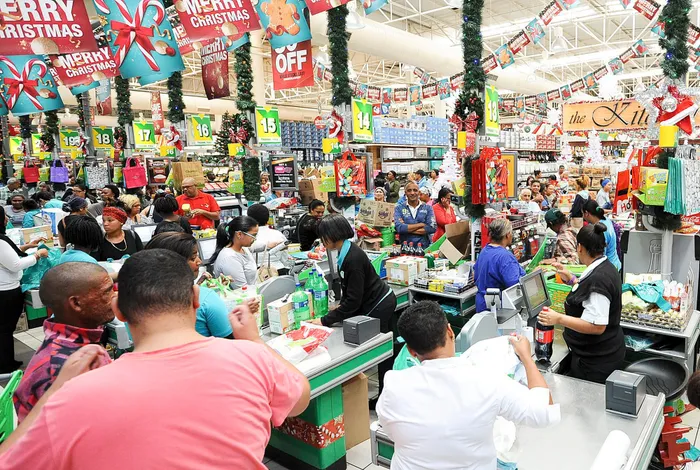
DON'T GO BOS: Budget now for you bank account crashes
Image: Leon Lestrade