LET’S MAKE SOME DOUGH - On-the-money recipes for the perfect base for baking
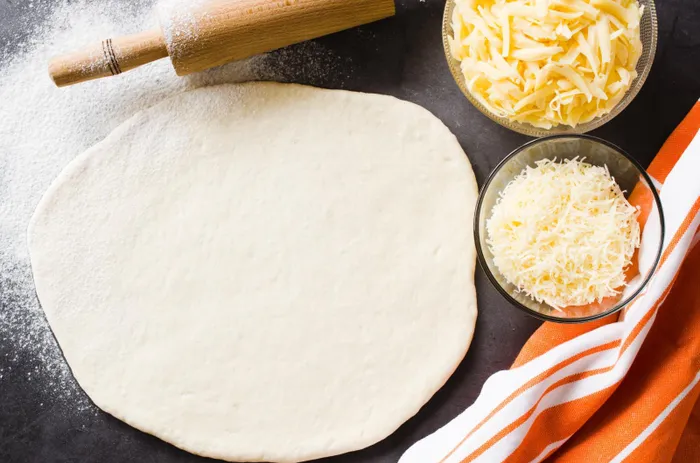
RISE TO THE OCCASION: Pizza dough
Image: Supplied
THERE is something deeply satisfying about working with dough.
From the moment flour and liquid come together, something special begins.
Dough is the foundation of many of our favourite foods, from pizza and pie to pasta and bagels.
Learning to work with dough is one of the most useful skills in baking.
Once you understand the basics, you can make many homemade foods for your family.
I have often wondered about dough, and thought, urghhh, dough is dough.
Until I learnt that small differences can completely change the final result.
Most dough recipes use the same main ingredients: flour, liquid, yeast or eggs, salt, and sometimes sugar or fat.
Each ingredient has a purpose.
Flour gives structure; liquid helps form gluten; yeast helps the dough rise; and salt adds flavour.
Warm water or milk is often used to help activate the yeast and create a soft texture.
Even though many types of dough start with similar ingredients, the small differences create very different results.
Yeast doughs, like pizza and bagels, are soft and airy. Egg doughs, like pasta, are firmer and richer. Doughs made with fat, like pie dough, are tender and flaky.
These differences affect the texture and final result.
Pizza dough is one of the easiest doughs to make.
With a few simple ingredients, you can create a base for many different toppings.
Homemade pizza dough has a fresher taste and better texture than store-bought versions.
Pasta dough is made with eggs instead of yeast, which makes it firm and easy to roll.
It creates pasta with a rich taste and smooth texture.
Bagel dough is firmer than most other doughs. It is boiled before baking, which gives bagels their well-known chewy texture and golden crust.
Kneading and resting are important steps. Kneading strengthens the dough, and resting allows
it to rise and improve in texture.
Skipping these steps can result in dense or tough baked goods.
Remember, working with dough takes patience, but the results are worth it.
With a few simple ingredients and a little time, you can create something comforting and homemade.
Pizza dough (See main image)
Always allow your dough to rise fully until doubled in size. This develops flavour and creates a light, airy texture. For even better results, let the dough rest in the fridge overnight. Slow fermentation improves taste and makes the dough easier to stretch.
Ingredients
2¼ cups all-purpose flour
1 cup warm water
2¼ teaspoons active dry yeast
1 tablespoon olive oil
1 teaspoon sugar
1 teaspoon salt
Method
In a bowl, combine warm water, sugar, and yeast. Allow it to sit for 5-10 minutes until foamy.
Add flour, salt, and olive oil to the yeast mixture.
Mix until a soft dough forms.
Transfer the dough onto a floured surface and knead for 8-10 minutes until smooth and elastic.
Place the dough in a lightly oiled bowl, cover, and let it rise for 1 hour or until doubled in size.
Punch down the dough and shape as desired for your pizza base.
Pie dough
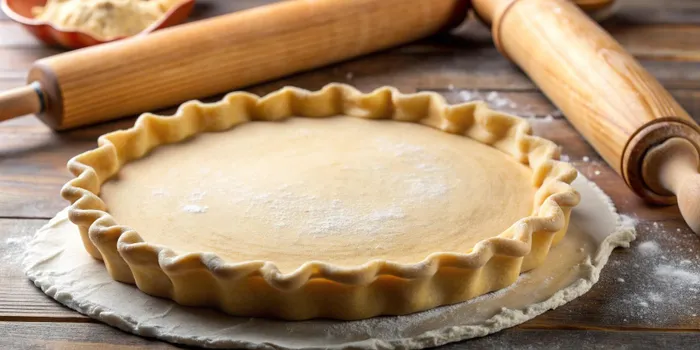
FLAKY: Pie dough
Image: Supplied
Keep all your ingredients as cold as possible, especially the butter. Cold butter creates small pockets in the dough, which produce a flaky and tender crust. Avoid overmixing, as this can make the crust tough instead of delicate.
Ingredients
2½ cups all-purpose flour
1 cup cold butter, cubed
5-6 tablespoons ice water
1 tablespoon sugar
½ teaspoon salt
Method
In a bowl, combine flour, sugar, and salt.
Add cold butter and rub it into the flour until the mixture resembles coarse crumbs.
Gradually add ice water, mixing gently until the dough comes together.
Form the dough into a flat disc, wrap, and refrigerate for 30 minutes.
Roll out the dough on a floured surface and use for your pie base.
Pasta dough
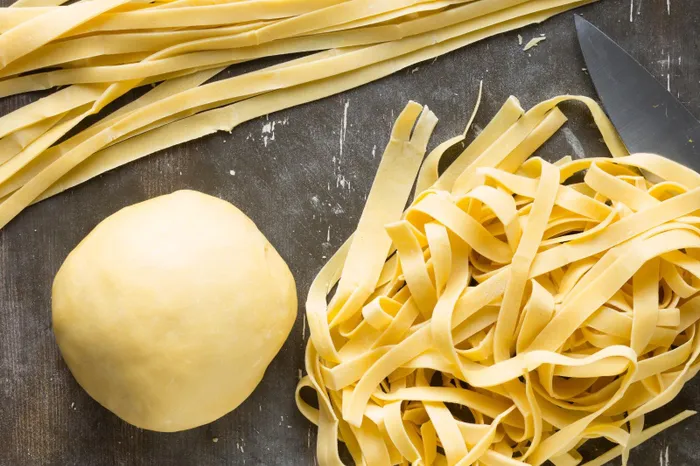
VERSATILE: Pasta dough
Image: Supplied
Knead the dough thoroughly until smooth and elastic, and then allow it to rest before rolling. Resting relaxes the gluten, making the dough easier to roll thin without tearing and giving your pasta a silky texture.
Ingredients
2 cups all-purpose flour
3 large eggs
1 tablespoon olive oil
½ teaspoon salt
Method
Place flour on a clean surface and make a well in the centre.
Add eggs, olive oil, and salt into the well.
Gradually mix the flour into the eggs until a dough forms.
Knead the dough for 8-10 minutes until smooth and firm.
Cover and let it rest for 30 minutes.
Roll out and cut into desired pasta shapes.
Bagel dough
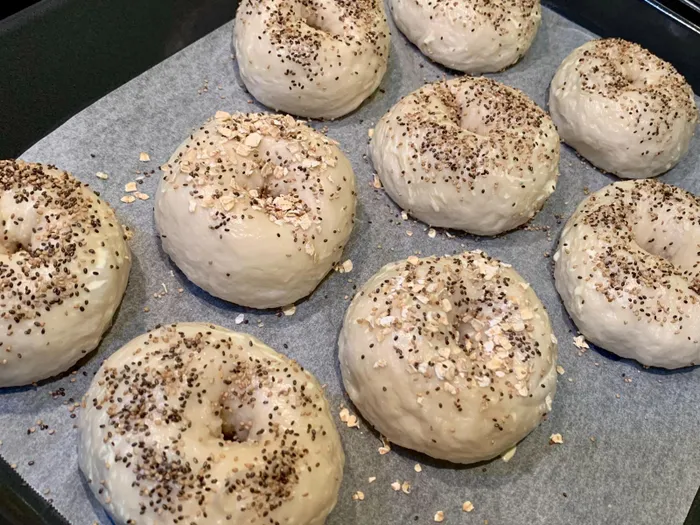
SIGNATURE CHEW: Bagel dough
Image: Supplied
Boiling the bagels before baking is essential. This step creates the classic chewy texture and shiny crust that makes bagels unique. Even 30-60 seconds in boiling water makes a big difference.
Ingredients
2 cups all-purpose flour
¾ cup warm water
2¼ teaspoons yeast
1 tablespoon sugar
1 teaspoon salt
Method
Combine warm water, sugar, and yeast in a bowl. Let it sit for 5-10 minutes until foamy.
Add flour and salt, then mix to form a dough.
Knead for 8-10 minutes until smooth and firm.
Place in a bowl, cover, and let it rise for 1 hour.
Divide the dough into equal pieces and shape into rings.
Boil each bagel briefly in water, then bake at 220°C for 20-25 minutes until golden.