[PICS & VIDEO] ‘Solar panels caused fire’: City’s rescue crews battled blaze at Vodacom HQ in Century City
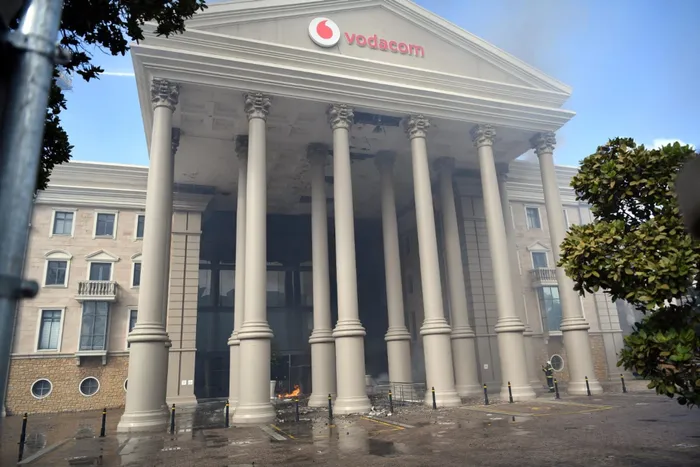
AANIE BRAND: Vodacom head office at Century City was alight for almost three hours. File photo
Just days after the City of Cape Town issued a warning about incorrect electrical installations, Vodacom’s head office roof in Century City was destroyed after its solar panels caught fire.
Social media was aanie brand on Sunday as pictures and videos of the fire made the rounds.
According to the City’s Fire and Rescue Service spokesperson Jermaine Carelse, crews were alerted to the blaze just after 11am. He explained that firefighters battled the inferno for close to three hours, containing it just before 2pm.
Carelse said when the first crew arrived, additional resources were immediately requested.
“Two hydraulic platforms were also dispatched. Firefighters had to be aware of the falling debris while working inside the building,” he added.
By mid-afternoon, crews started with damping down and mop-up operations.
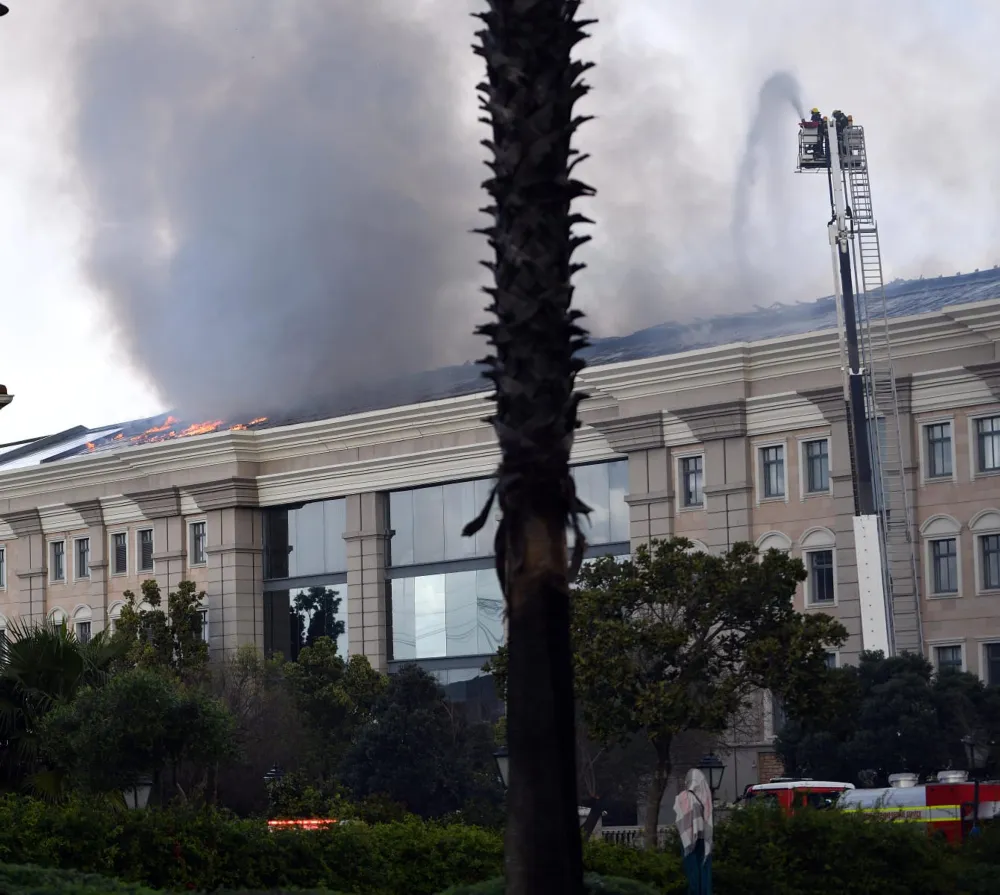
Carelse said firefighters would remain on scene for some time, while the building sustained substantial damages.
There were a few mense inside the building when the fire broke out, but Carelse confirmed that no injuries were reported.
Byron Kennedy, Vodacom’s head of media relations, said they are investigating the blaze and will be taking “appropriate action” once the cause has been established.
The City’s Mayco member for Safety and Security, JP Smith, explained that fire crews discovered that the solar panels on the roof had caused the rooftop to catch fire.
“This incident is the latest of such fires being caused by alternative energy installations, as those in the corporate and residential sectors battle to mitigate the effects of large scale rolling blackouts,” Smith says.
“Ironically, it was just a week back that we issued advice cautioning on such risks attached.”
He urged businesses and owners of private residences to have their alternative power systems regularly inspected for signs of electrical fatigue or mechanical breakdown.
“Additional preventative measures and electrical fail-safe components, while perhaps increasing the initial installation cost, should be considered,” Smith says.
“Cabling of a thicker diameter should be used, to allow less resistance and help prevent a build-up of heat.”
He said the maximum ratings of components, including that of inverters, batteries, solar panels and all connecting components, should be carefully considered and not exceeded.
Last week, Smith said solar PV and/or battery systems must be installed by a competent installer who can provide a Certificate of Compliance.
“All systems that are connected to the wiring of the building must be registered with the City of Cape Town before installation and from October 2023, only City-approved inverters will be accepted for these systems.”