Likely fuel price cut?
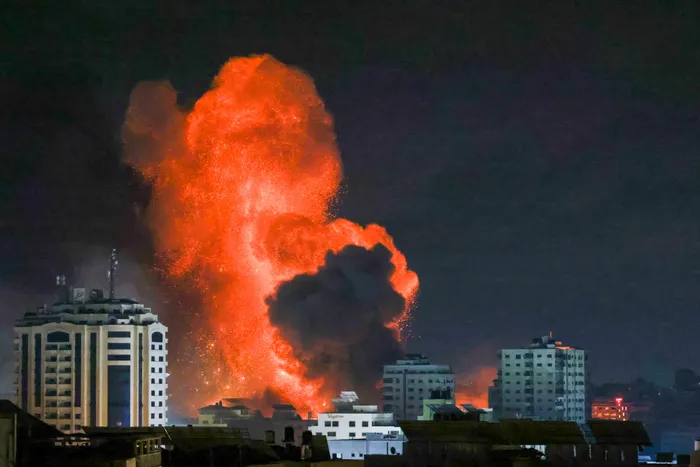
IMPACT: Conflict between Israel and Hamas. Picture: Photo by MOHAMMED ABED / AFP
The escalation of Israeli-Hamas tensions into a full-blown war over the weekend sent oil prices climbing once again, sparking fears of further fuel price hikes.
Granted, those fears are not unfounded and it is difficult to predict how the conflict will affect oil markets in the coming weeks, but as things stood yesterday, lower fuel prices could be on the cards for November, reports IOL.
The latest daily snapshot from the Central Energy Fund yesterday showed an over-recovery pointing to potential price cuts of over R1.60 for both grades of petrol, and up to 30 cents for diesel, and the latter could creep closer to R1 if the current daily price trends persist throughout the month.

But how did those calculations turn positive in spite of the Israeli war?
As a result of the conflict, Brent Crude Oil prices rose by around 4.6% between Saturday and Tuesday, from $84.4 per barrel to $88.3.
However, the previous week saw the commodity fall by about 11%, marking its biggest weekly decline since March this year, on recession fears and another partial lifting of Russia’s fuel export ban, Reuters reported.
This means oil is still less expensive than it was in October, when it broke through the $90 dollar mark and peaked at over $94 late-month.
Although oil seems to have settled around the $88 mark, which should keep us in a state of over-recovery barring any currency shocks, next month’s fuel price hopes come with a big disclaimer as a lot can transpire by month-end.