'NO JOBS FOR FOREIGNERS'
Minister Gayton says he's looking out for SA as unemployment jumps
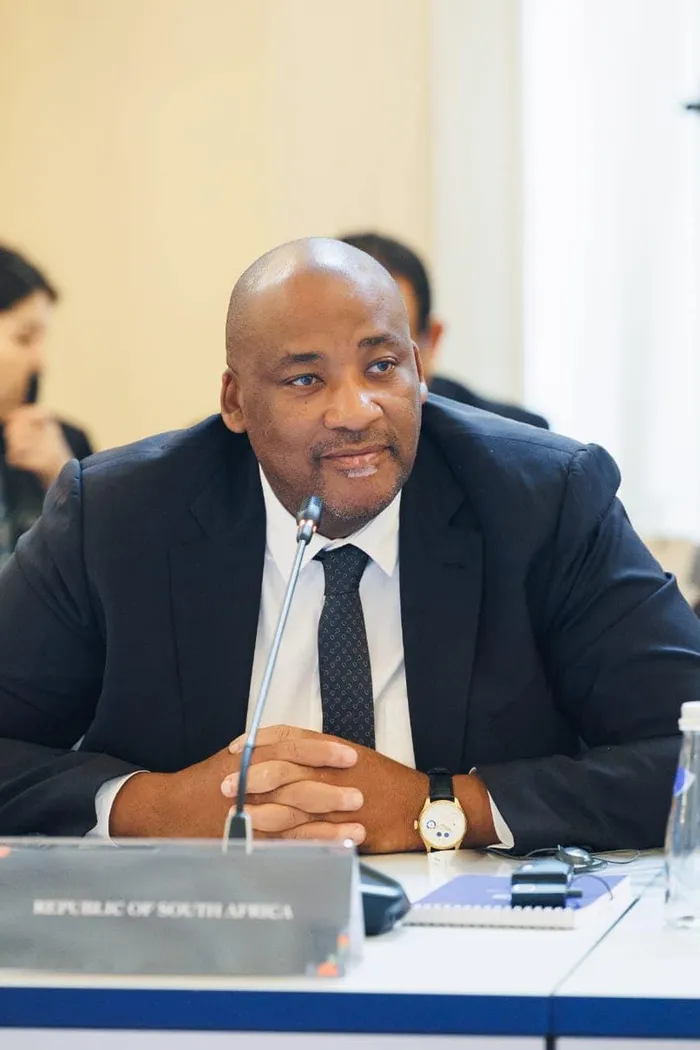
'PATRIOTIC': Minister of Sport, Arts and Culture Gayton McKenzie
Image: Facebook
Sports, Arts and Culture Minister Gayton McKenzie says no foreign nationals will be employed in positions in his department that South Africans can fill.
After some job gains between March and December last year, the official unemployment rate – which doesn’t include discouraged work seekers – is back to where it was a year ago, at a hewige 32.9%.
According to a report from Statistics SA yesterday, the unemployment rate moved upwards because 291 000 people lost their jobs quarter-on-quarter, dropping the employed workforce to 16.8 million as of March this year.
McKenzie, also the leader of the Patriotic Alliance (PA), is known for his strong stance against undocumented foreigners securing job opportunities in South Africa. He has consistently called for their deportation.
Speaking at the signing of stakeholder compacts with the Department on Monday, McKenzie said: “South Africa has [one of] the highest unemployment rate[s in the world]. Children, adults are committing suicide because they can't get jobs.
“They can't get jobs. The biggest crisis facing our country is unemployment. Unemployment is the potential of causing massive riots in this country.”
”Some of you sitting here dare to hire foreigners instead of South Africans.
“I don't care how you used to do it., There will be no foreigner who will work in an entity while a South African can do the same thing.”
He added that those who attempt to defend such hiring practices will be shown the door.
He told stakeholders: “I want you to know this here, I am busy with that. Some of you who want to defend that will be fired.”
Meanwhile, Stats SA specifically noted that those aged between 15 and 34 years are still the most vulnerable when it comes to the job market, with both work losses and an increase in unemployed youngsters pushing that unemployment rate up to 46.1% from 44.6% quarter-on-quarter.
On the upside for Kapenaars, the Western Cape reported an increase in job entries, alongside Gauteng and the Free State, while a drop in the number of those employed were seen in KwaZulu-Natal, the Eastern Cape and the North West provinces.