Kaap se traffic nightmare
Mother City is ninth most-congested in the world
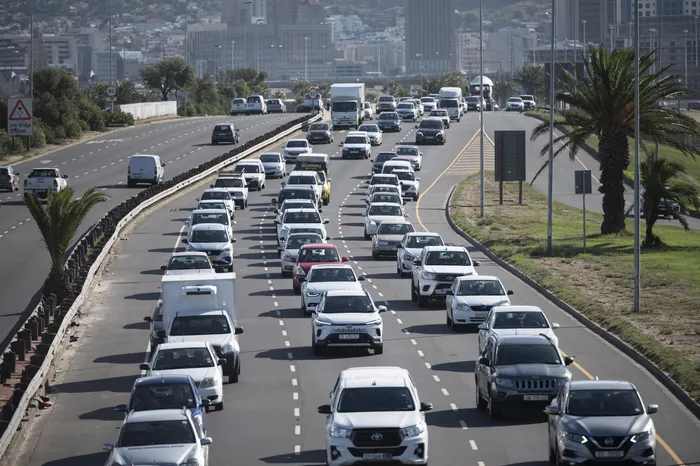
Cape Town is 9th most congested city in the world.
Image: Armand Hough / Independent Newspapers
CAPE Town's traffic congestion ranks it as the ninth worst innie wêreld, costing drivers an average of 94 hours each year.
The findings on the 2024 Global Traffic Scorecard don’t just represent wasted time, they highlight the mounting frustration, fatigue and stress experienced by thousands of commuters across the city.
Die Kaap se congestion nightmare is not just about cars and roads, it’s about quality of life. The average commuter now spends nearly four days each year stuck in traffic, and the psychological and economic effects are becoming increasingly impossible to ignore
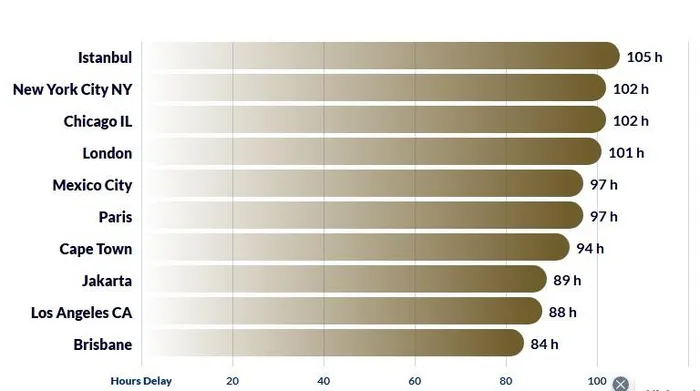
Cape Town ranks 9th in global congestion.
Image: INRX: Global Traffic Scoreboard
To put it in perspective, 94 hours equals almost four full days a year spent sitting in traffic.
In 2023, that figure was 83 hours, showing a rise in congestion levels. Many major routes such as the N1, N2, R300, and M3 are frequently gridlocked during peak hours, with travel times extending far beyond what drivers expect.
Urban growth, combined with a return to in-office work, has intensified traffic volumes. This makes commuting a daily struggle for many, especially those travelling between outlying suburbs and central business areas.
Prolonged traffic delays have been linked to significant mental and emotional strain.
Sitting in heavy traffic regularly can trigger stress, irritability and fatigue, leading to what’s often described as “commuter burnout”.
Psychologists explain that this form of chronic stress results from long-term exposure to stressful environments - in this case, being trapped in congestion for extended periods with little control over the situation.
Regular commuters report feelings of frustration, tension, and mental exhaustion. Over time, such daily stress can contribute to sleep problems, mood changes, and reduced concentration, ultimately affecting productivity and overall well-being.
Several structural factors contribute to Cape Town’s traffic woes:
- Low vehicle occupancy rates. Most cars on the road carry only one or two occupants, which increases the total number of vehicles.
- Urban sprawl. Residential areas remain far from employment hubs, forcing long commutes into central districts.
- Inadequate public transport coverage. Limited transport options push more people towards private vehicles.
- Road capacity. Infrastructure expansion has not kept pace with population and vehicle growth, creating bottlenecks along key corridors.
- Peak-hour travel patterns. The morning and afternoon rush remains heavily concentrated, with few commuters shifting outside of peak times.
Traffic congestion affects more than just drivers’ patience. It also translates into lost productivity, higher fuel consumption and increased wear and tear on vehicles.
For individuals, the time lost in traffic eats into personal and family time, contributing to fatigue and emotional stress.
Furthermore, heavy congestion has environmental consequences. Idling vehicles emit more carbon dioxide and pollutants, contributing to air quality degradation and urban noise pollution.
While solving traffic congestion in a city as geographically constrained as Cape Town is no small task, there are several approaches that could help ease the burden:
- Encouraging carpooling and shared transport to reduce the number of single-occupancy vehicles.
- Improving public transport networks and integrating bus and rail systems more effectively.
- Introducing flexible work hours and promoting remote work to reduce peak-hour pressure.
- Investing in non-motorised transport such as cycling lanes and pedestrian-friendly routes.
- Using smart traffic technology to manage flow and adjust signals dynamically.