Saldanha mayor slams 7pm 'curfew' for kids
Only government has authority to impose rules
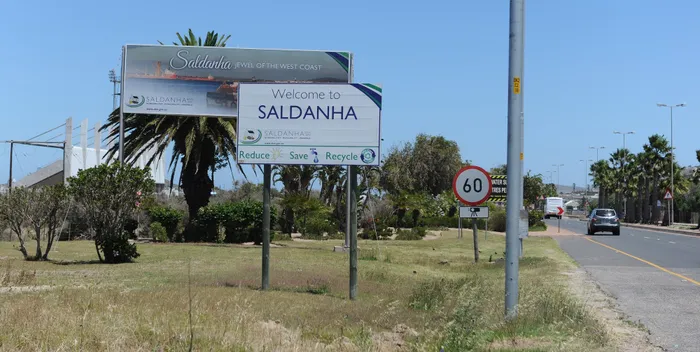
A surprise 7pm curfew for schoolchildren in Saldanha Bay has sparked outrage after it emerged the decision was made without the municipality or education department’s knowledge.
Image: FILE
The mayor of Saldanha Bay has criticised a 7pm curfew imposed on local children, saying the decision was taken without his office’s knowledge or approval.
The curfew – which warns that children who are not indoors by 7pm will face consequences – was introduced during a meeting hosted by the ANC Women’s League at a local church. It follows a surge in gang violence in the West Coast town.
Mayor André Truter told IOL that only the national government has the authority to implement a curfew in terms of legislation.
He said: “The municipality had no knowledge of or role in this decision,” he said.
“That said, I can imagine the school acted with good intentions. But what really needs focus is the rise in gang violence and SAPS’s inability to curb it.”
Truter has requested the Western Cape’s police oversight ministry to arrange a meeting with local police to address the ongoing violence in areas under municipal jurisdiction.
A letter issued by Diazville High School, seen by IOL, announced the curfew in response to increasing crime in the area. It expressed concern about a spate of shootings and said learner safety was a top priority.
Following the meeting with local leaders, the letter stated, it was agreed that all pupils must be home by 7pm daily, including weekends. Parents and guardians were urged to ensure their children adhered to the rule.
Western Cape Education Department spokesperson Kerry Mauchline confirmed that the district office had not been informed about the meeting or the curfew.
The local community policing forum also voiced concern, saying the curfew was unlikely to solve the problem.
Saldanha Bay has seen a steady increase in violent crime in recent years, particularly in areas such as Diazville, Middelpos and Hopland. While murder rates have remained relatively stable, cases of assault, burglary, and drug-related offences have risen.
In 2023/24, the municipality reported a notable rise in common assaults and a sharp increase in commercial crimes, fuelling a growing sense of insecurity.
High unemployment, poverty, and widespread substance abuse – especially of alcohol and drugs – are seen as key drivers of the violence. Police have cited staff shortages and limited resources as factors hampering their response in high-risk communities.
The result is a growing climate of fear, with frequent reports of shootings and robberies.