‘AI MADE ME DOP’
Kim Kardashian blames ChatGPT for failing law exam
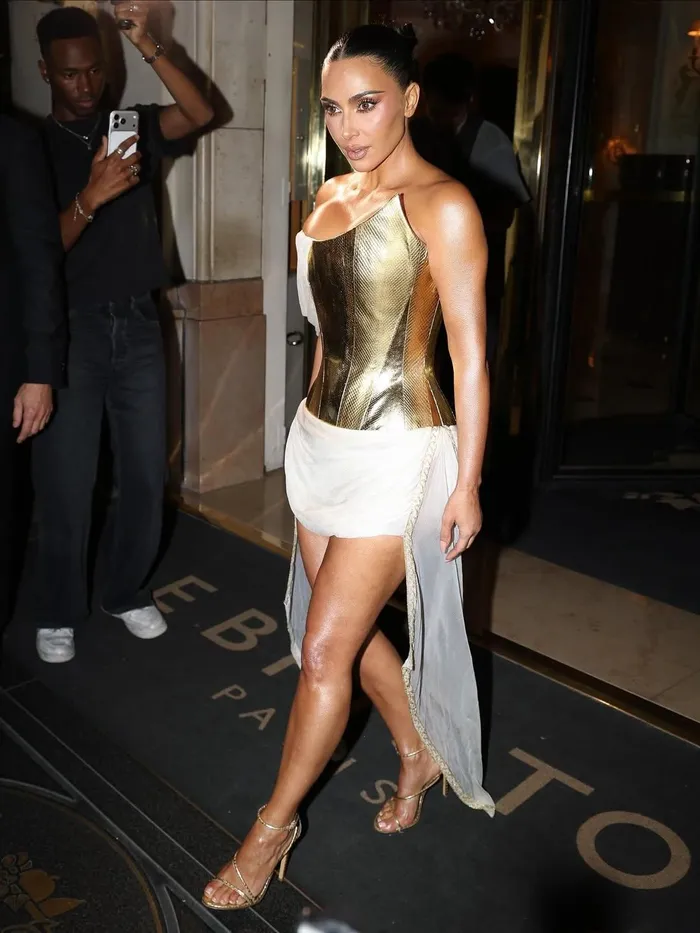
AI MAN: Kim Kardashian blames AI for failing exam
Image: Instagram
KIM Kardashian has never been shy about letting the world in on her personal growth, from being a beauty mogul to a reality star turned aspiring lawyer.
But her latest confession might hit closer to home for anyone who’s ever relied on technology a little too much.
In a recent Vanity Fair lie detector interview, Kardashian admitted to having what she called a “toxic relationship” with ChatGPT, blaming the AI chatbot for making her fail a law exam.
“I’ll take a picture, snap it and put it in there,” she said, explaining how she often turns to ChatGPT for legal help.
“It has made me fail tests… all the time. Then I’ll get mad and yell at it.”
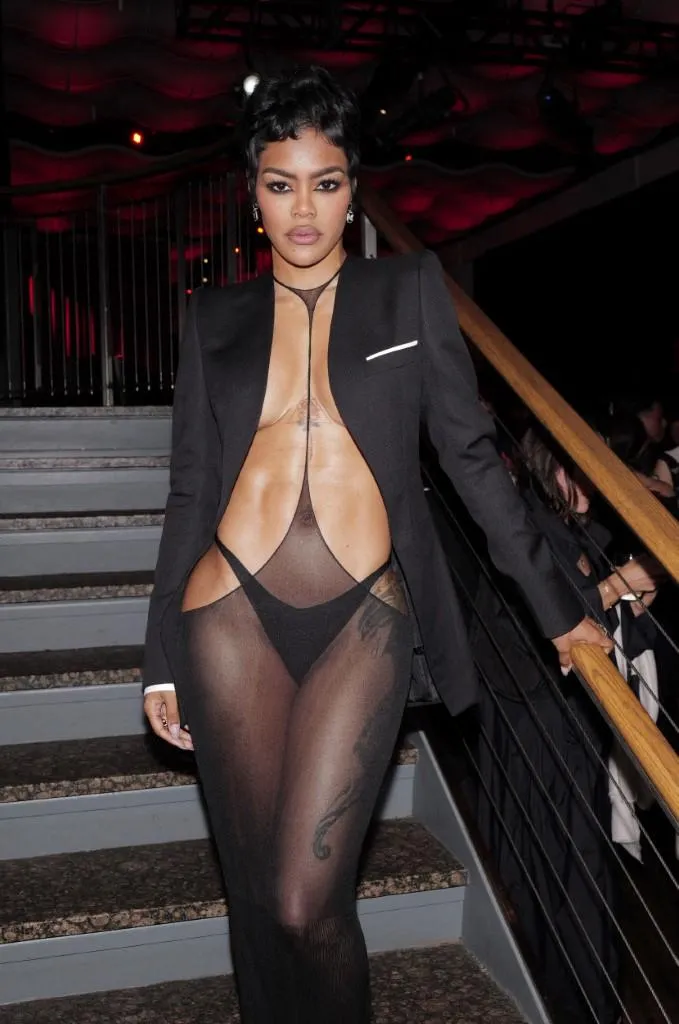
QUESTIONS: Teyana Taylor
Image: AFP
The 45-year-old star, who’s been open about her years-long journey toward becoming a lawyer, confessed that the AI tool has been both a helper and a hindrance.
“They need to do better,” she joked. “Because I’m leaning on them to really help me and then they become my therapist after giving me the wrong answer.”
Her co-star, musician Teyana Taylor, teasingly asked if that made ChatGPT a friend.
“No,” Kardashian replied with a smirk and responded: “a frenemy.” The lie detector confirmed she was telling the truth.
Yet, beneath the humour of her comments is a larger discussion, one that goes far beyond Hollywood. Kardashian’s experience highlights how deeply artificial intelligence is woven into our everyday lives, from social media filters to smart assistants and now education.
While AI tools like ChatGPT have become everyday companions, especially for students and professionals, experts warn of the growing dependency on them. According to a 2024 Stanford University study on generative AI in education, over 68 percent of students admitted to using AI tools to complete assignments, with many relying on them for research and explanations.
However, only a fraction verified the information’s accuracy, raising questions about critical thinking and intellectual independence.