MORE BANG FOR YOUR BUCK
Experts predict that lower cost of living for SA
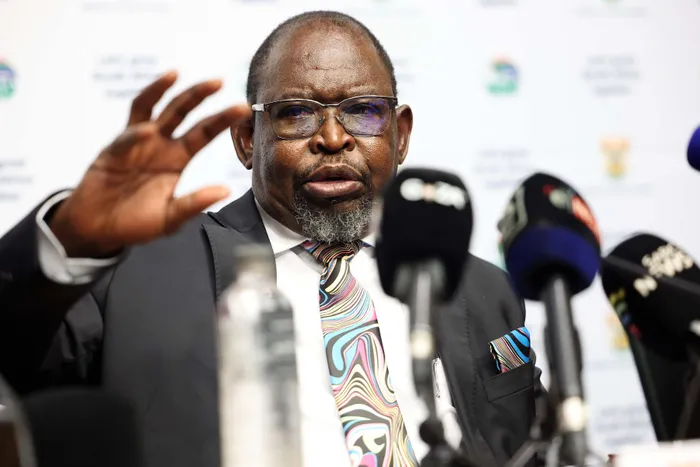
The markets will be watching Finance Minister Enoch Godongwana closely when he delivers the Medium-Term Budget Policy Statement on November 12.
Image: Jairus Mmutle | GCIS
South Africans battling high food and fuel costs could get some relief, if the Reserve Bank’s calculations are right.
The markets will be watching Finance Minister Enoch Godongwana closely when he delivers the Medium-Term Budget Policy Statement on Tuesday.
The budget is likely to bring the cost of living into sharp focus, with economists saying he could well back a plan to lower the country’s inflation target range.
Reserve Bank Governor, SARB Governor Lesetja Kganyago, has been pushing to lower the inflation target from the current three to six percent range to a flat three percent.
Kganyago argues that a lower target would support “sustainable economic growth and cheaper borrowing costs”.
This could eventually make borrowing and living costs cheaper.
Investec treasury economist Tertia Jacobs said the change would give the policy more credibility.
She said: “What we have seen is that South Africa’s target range is actually at the top end of most emerging markets."
Jacobs added that “what is very important is that the minister of finance backs it up with a lower inflation target, say from 2 to 4 percent”.
A lower inflation target won’t bring instant price cuts, but it could ease pressure on households by:
Anchoring expectations, helping the Reserve Bank keep prices stable over time.
Reducing the cost of future borrowing if inflation slows and interest rates fall.
Creating more room for government to direct funds toward essential services rather than debt repayments.
It forecast a R60 billion tax revenue overshoot in the 2025/26 financial year, giving Treasury slightly more space to manage spending.
Meanwhile, the Western Cape Government (WCG), through the Democratic Alliance's provincial leader Tertius Simmers said that the province has landed a massive R50 billion in local and foreign investment.
The announcement come after Premier Alan Winde and Minister Ivan Meyer’s Western Cape Investment Summit last week.
According to Simmers, the WCG will use the windfall to boost infrastructure and housing.
R8 billion, for the new Cape Winelands Airport, a game changer for growing air access to the Province;
R850 million for a new Cape Town port-linked fresh produce cold chain, to improve the ease of shipping the Province’s vast agricultural exports; and
R5.1 billion for a new technology-led development of 3 600 housing units in the Province.