REALITY BITES - How to soften the blow of the post-festive crash
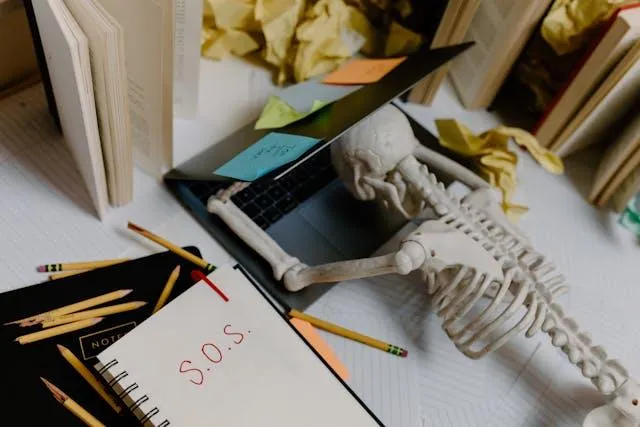
Discover why post-holiday fatigue is so common and learn simple, effective strategies to ease your transition back to everyday life.
Image: Tara Winstead/pexels
The worst part of any holiday isn’t the packing or the airport queues. It’s that moment on when reality slowly clears its throat and reminds you that emails, routines and responsibilities are waiting.
The out-of-office is about to switch off. Adulting is back online. And suddenly, the beach feels like a distant dream.
If you’ve ever wondered why returning from a break feels heavier than the exhaustion that sent you on holiday in the first place, you’re not imagining it.
Post-holiday fatigue, sometimes called post-holiday syndrome, is real, deeply relatable, and increasingly common in our always-on culture.
As someone in my thirties who loves travel but also knows the weight of returning home, I’ve learnt this: the problem isn’t the holiday. It’s what we’re carrying back with us.
What post-holiday fatigue really is
Post-holiday syndrome describes the mental and physical exhaustion many people feel immediately after time off.
While your body is expected to jump straight back into work mode, your mind is still barefoot, still moving slowly, still adjusting to a world without alarms.
Experts point out that the abrupt switch from rest to responsibility overwhelms the nervous system.
According to psychologists who study burnout and work-related stress, it’s not just physical tiredness we’re dealing with, it’s emotional depletion, decision fatigue and mental overload.
In simple terms: you’re not lazy. You’re overfunctioning.
The types of tired we don’t talk about
Burnout doesn’t always look like needing a nap. Sometimes it shows up as:
- Mental fatigue from constant decision-making and problem-solving.
- Emotional exhaustion from holding space for others while neglecting yourself.
- Social tiredness from always being available, responsive and “on”.
- Sensory overload from screens, notifications, noise and stimulation.
This is why a packed girls’ weekend, festival or group trip, as fun as it is, doesn’t always restore you.
True rest can’t be scheduled by anyone else. It has to meet the kind of tired you actually are.
Why does the return feel worse than the work?

Psychologists studying burnout and work-related stress reveal this phenomenon involves not just physical tiredness but emotional depletion, decision fatigue, and mental overload.
Image: Mizuno K/Pexels
During holidays, routine disappears and our brains love it. We sleep when we’re tired, eat when we’re hungry, and move without clocks.
Coming home means confronting full inboxes, unfinished tasks and the pressure to “catch up” immediately.
Research around workplace wellbeing shows that a lack of transition time is a major contributor to post-holiday stress. When there’s no buffer, the nervous system doesn’t recalibrate; it crashes.
And yet, pretending the crash doesn’t exist only makes it worse.
How to ease back without undoing the rest
Returning well isn’t about snapping back into productivity. It’s about re-entry, slow, intentional and human.
1. Name your tired
Ask yourself what kind of exhaustion you’re experiencing. Emotional? Mental? Social? Not all fatigue is solved by sleep.
2. Take a buffer day if you can
Arriving home one or two days before work allows space to unpack, grocery shop, reset and breathe. It’s one of the simplest, most effective ways to soften the landing.
3. Make a gentle email game plan
You don’t have to conquer your inbox in one day. Sort emails by urgency, set a realistic catch-up timeline and remind yourself: everything doesn’t need your attention at once.
4. Prioritise sleep like it’s part of your job
Sleep deprivation amplifies stress, irritability and low mood. Studies consistently show that quality sleep improves emotional regulation and concentration, exactly what you need post-holiday.
5. Let the low mood exist
That post-travel sadness? Completely normal. You’re coming down from joy, novelty and freedom. Be kind to yourself. It will pass.
6. Build micro-rest into your week
Stop saving rest for your next leave request. Five-minute walks, quiet lunches, breathing breaks and leaving one task undone on purpose can do more than a rushed weekend ever could.
Bring the holiday home.
One of the most grounding things you can do is set positive anchors:
- Keep travel photos visible at work or on your phone.
- Share stories with colleagues instead of rushing into tasks.
- Recreate small rituals, morning walks, slower meals and earlier nights.
The goal isn’t to escape real life, it’s to return to it without losing yourself.
Because the most sustainable version of rest isn’t found on a beach or boarding pass. It’s built into how gently we allow ourselves to come back.
And if you’re still feeling tender? That’s okay too. You’re human, not a machine that resets overnight.