SPCA makes urgent call to Cape Town residents to prevent animal tragedies
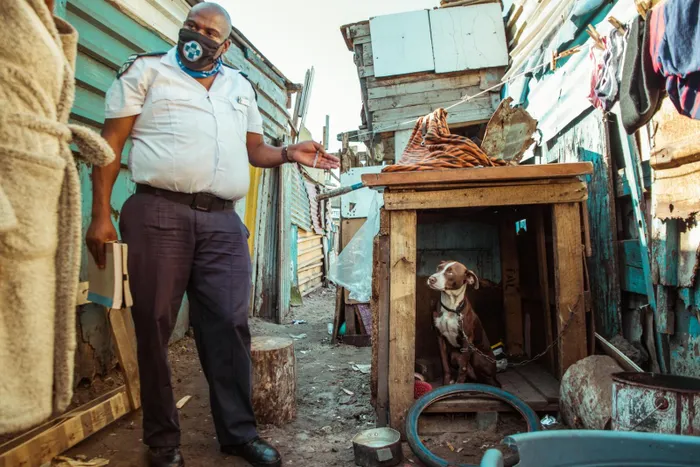
The SPCA is appealing to residents to comply with animal by-laws.
Image: Cape of Good Hope SPCA
The Cape of Good Hope Society for the Prevention of Cruelty to Animals (SPCA) has issued an urgent appeal to residents in Cape Town to comply with animal welfare legislation, municipal by-laws, and responsible dog ownership requirements.
This follows the mauling of a woman in Mitchells Plain by her own dogs last week.
The spokesperson for the Cape of Good Hope SPCA, Belinda Abraham, said no assumptions are being made about the circumstances surrounding the incident where the woman was mauled.
“What is clear is that a life has been lost in a preventable context involving companion animals. This tragedy forces a renewed focus on lawful ownership, uncontrolled breeding and the responsibilities carried by every dog owner in the city.
“Preventing further incidents requires compliance at every level. Law enforcement cannot mitigate risk where laws are ignored, breeding remains unchecked, and dogs’ breed-specific behavioural and welfare needs are not adequately met,” Abraham said.
She said animal welfare and public safety in Cape Town depend on three interconnected responsibilities:
Preventing Cruelty and Neglect
The Cape of Good Hope SPCA enforces the Animals Protection Act (APA) and responds to cruelty, neglect, and failure to meet animals’ welfare needs.
Abraham said its inspectors regularly remove dogs from properties where they are confined, chained, malnourished or otherwise cruelly treated.
Pitbull-type dogs feature prominently among those removed for APA violations.
“Pitbull-type dogs are very frequently victims of neglect and cruelty. Some have been kept on chains for their entire lives. Some have been bred to within an inch of their lives, and all are kept in circumstances that do not meet their needs. To reduce the risk to communities, we must stop the cruelty and neglect and the scale of indiscriminate breeding in this city,” Abraham said.
Law Enforcement
The City of Cape Town’s Animal Control Unit enforces municipal by-laws relating to the keeping of animals.
“These require, amongst others, that dogs and cats over six months of age be sterilised unless the owner holds a valid breeding permit and that animals must always be securely under their owner’s control. Roaming dogs, uncontrolled breeding, and failure to sterilise pets constitute by law contraventions,” Abraham said.
Dog owners
The third responsibility rests with the public.
Abraham said compliance with the law and fulfilment of a dog’s physical and behavioural needs beyond what the law prescribes are fundamental to responsible ownership.
“Without this, enforcement, whether via the SPCA or Law Enforcement, remains reactive rather than preventative,” she said.
The SPCA said Cape Town continues to face a significant companion animal overpopulation challenge.
Large numbers of dogs remain unsterilised across many communities, resulting in ongoing accidental and deliberate litters. Puppies are frequently sold, exchanged or given away freely to unvetted homes.
“This increases the likelihood of neglect, abandonment and dogs being kept in conditions that do not meet their welfare or behavioural needs."
Uncontrolled breeding occurs through both backyard breeding for sale and accidental litters from unsterilised pets. In both cases, puppies often enter homes without adequate consideration of their long-term needs or suitability for the environment into which they are placed,” Abraham said.
According to the organisation, dogs bred without attention to their temperament or early development may present challenges that inexperienced owners are not equipped to manage.
“When these challenges emerge, dogs are frequently surrendered, confined or neglected. Many ultimately face euthanasia because of behavioural issues that result from unmet behavioural needs,” Abraham said.
The SPCA’s on-site animal behaviourist, Nicole Nel, emphasised the broader implications of indiscriminate breeding.
“In South Africa, we are facing a severe pet overpopulation crisis. Backyard and indiscriminate breeding often takes place without any consideration for temperament or behavioural stability. This has a disastrous impact on the types of dogs entering homes as companion animals. When power breeds are produced in large numbers with disregard for temperament or with intent to create a more vicious guard dog, communities and the dogs themselves carry the consequences,” Nel said.
According to Nel, recent studies have indicated that pitbull-type dogs are disproportionately involved in severe and fatal attacks in South Africa. This is influenced both by dog population numbers and the corresponding numbers of cruelty complaints relating to neglected and abused Pitbulls.
“While many breeds suffer neglect and poor welfare, few possess the same physiology and capacity to inflict catastrophic injury when a dog finally ‘snaps’. Families must make informed decisions about whether a dog originally bred for high-intensity physical engagement is suited to their home, experience and environment,” Nel said.
She further stated that acquiring a pitbull through informal breeding networks or unverified sellers significantly increases uncertainty around temperament, early development and suitability as a companion animal.
The SPCA said responsible ownership includes being law-abiding and meeting your dog’s breed-specific behavioural and social needs. Early socialisation, humane training, regular interaction and appropriate living conditions are essential.
Isolation, chaining and neglect undermine behavioural health and increase risk.
The Cape of Good Hope SPCA calls on all Cape Town residents to act in accordance with the law and in the interests of community safety and animal welfare.
- Sterilise dogs and cats as required by municipal by-laws or obtain lawful permits for any breeding.
- Keep your dogs within the confines of your property while ensuring they receive the appropriate socialisation, training and care.
- Do not support informal or backyard breeding through the purchase or acceptance of puppies.
“Every resident who complies with these obligations contributes to safer communities and improved welfare outcomes for animals across the city.
The Cape of Good Hope SPCA extends sincere condolences to the family affected by this devastating incident. Preventing future tragedies requires collective responsibility, lawful behaviour and a decisive reduction in uncontrolled breeding,” Abraham added.
To report cruelty or animal welfare concerns, contact the Cape of Good Hope SPCA at 021 700 4158 or 021 700 4159.
Services are available 24 hours a day. To report free-roaming or stray aggressive animals and illegal breeding within your community, call Law enforcement at 021 480 7700