Questions over SANDF's deployment to tackle Cape gang violence
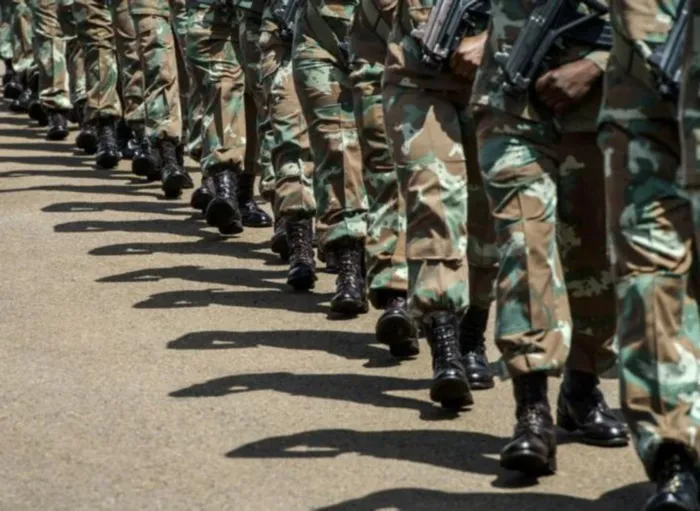
sandf.jpg SANDF deployment to gang-affected areas has been announced, but the timeline and operational details remain unclear.
Image: File
PRESIDENT Cyril Ramaphosa has announced that the South African National Defence Force (SANDF) will be deployed to gang-affected areas of the Western Cape, but uncertainty remains over when boots will hit the ground and how operations will unfold.
The issue was central to deliberations this week at the Provincial Safety Advisory Committee (PSAC), convened by Western Cape Minister of Police Oversight and Community Safety Anroux Marais.
While the deployment has been confirmed at national level, no operational start date has been publicly detailed, raising questions about the final procedural and logistical steps before soldiers are deployed alongside the South African Police Service (SAPS).
The PSAC, a statutory body established under the Western Cape Community Safety Act, provides strategic advice to the provincial minister on safety policy and crime prevention. Members discussed how SANDF support could be structured to ensure measurable impact in areas hardest hit by gang violence.
The move follows renewed public pressure after a mass shooting in Bridgetown, Athlone, earlier this week in which nine-month-old Amra Lifia and two women were killed. The attack intensified calls for visible intervention as gang-related murders continue across parts of the Cape Flats.
The committee provided input on how military support could be “optimally coordinated to disrupt and dismantle organised crime syndicates, while ensuring measurable impact and enhanced community safety”.
At national level, Chairperson of the Portfolio Committee on Defence and Military Veterans Dakota Legoete welcomed the President’s announcement, saying: “The safety of our citizens is non-negotiable.”
Legoete added that gang violence in the Western Cape has reached “alarming levels” and argued that the scale and sophistication of organised crime now require a more coordinated intervention that includes the SANDF working in support of SAPS.
Key questions remain around the scope and duration of the deployment. It is unclear whether SANDF members will conduct joint patrols, secure static sites, assist with cordon-and-search operations, or focus primarily on stabilisation support in identified hotspots.
Past deployments have been met with mixed responses from community groups and analysts, with some welcoming the visible security presence and others questioning the long-term sustainability of military intervention in civilian policing environments.
Beyond enforcement, the committee reiterated the importance of long-term prevention strategies, including strengthening programmes such as the Chrysalis Academy and integrating clearer skills development and employment pathways.
Marais said: “The Provincial Safety Advisory Committee is a highly valued strategic partner in shaping our safety agenda. By drawing on this collective experience, we are better positioned to implement focused, data-driven interventions that advance our shared goal of building a safer Western Cape for all.”
While the President has confirmed deployment, clarity on timing, operational structure and duration will likely determine whether the intervention is viewed as short-term stabilisation or part of a broader sustained strategy to curb violent crime.