CAPE RAPE ON THE RISE - Following the release of damning stats, minister plans new strategies to fight GBV crime
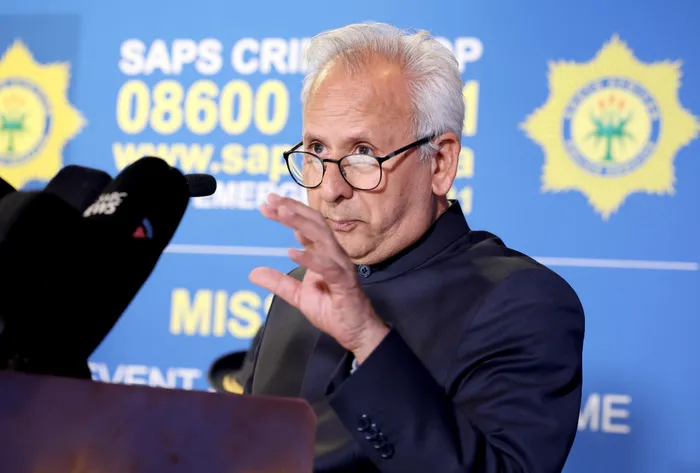
Acting Police Minister Firoz Cachalia announced a comprehensive evaluation of police strategies to combat the rising tide of gender-based violence, following alarming crime statistics that reveal regional increases in sexual offences and femicide.
Image: File
THE Western Cape showed an increase in sex crimes as acting Police Minister Firoz Cachalia announced on Friday that the South African Police Service (SAPS) will kick off a review of its strategies to tackle gender-based violence and femicide (GBVF).
This comes right after the release of the third-quarter crime stats for 2025 and follows President Cyril Ramaphosa’s declaration of GBVF as a “national disaster” last year.
Minister Cachalia said that despite recording a marginal national decrease in overall sexual offences and reported rape cases for the period covering 1 October to 31 December 2025, there were alarming regional increases.
While it the figures showed that cases of rape were down from 11 803 rapes to 11 430, the Western Cape, KwaZulu-Natal (KZN) and Mpumalanga all recorded increases in both sexual offences and rape.
KZN alone recorded 16 counts more, Mpumalanga 18 more, and the Western Cape 17 more rapes, while the other six provinces showed decreases
The minister has initiated an official review of the South African Police Service's (SAPS) strategies and tasked Deputy Police Minister, Dr Polly Boshielo, with support from the Civilian Secretariat, to lead a comprehensive evaluation.
This evaluation is specifically aimed at pinpointing the most significant and deep-seated shortcomings in SAPS's current approach.
Cachalia explained: “We are taking our cue from the president to prioritise this matter.
“We are taking steps to strengthen the policing approach to GBV and other forms of violence.”
Major General Tulare Sukune, SAPS Registrar, said the statistics also offered a stark picture of where these crimes occur, with perpetrators often known to the victim.
The data showed that 65 percent of a sample of 8 517 reported rapes took place “at the residence of the perpetrator”. Public places accounted for 21 percent.
Disturbingly, educational institutions also featured, with 74 rapes recorded at such facilities, the majority (52) occurring in schools, including some that took place at daycare facilities.
Sukune said: “Then we have seven rapes that have taken place at tertiary institutions and six at special schools.”
Sukune concluded by cautioning that while the department is working to provide a proxy for GBV using domestic relationship data, a breakdown by gender is currently not being released.
He said: “The breakdown to the level of the sex of the person is not 100 percent accurate, and we think that it will give a misleading picture if we were to give those breakdowns without having conducted the necessary quality assurance.”