Dual Signal Boost: Exploring Sermorelin–Ipamorelin Peptide Synergy
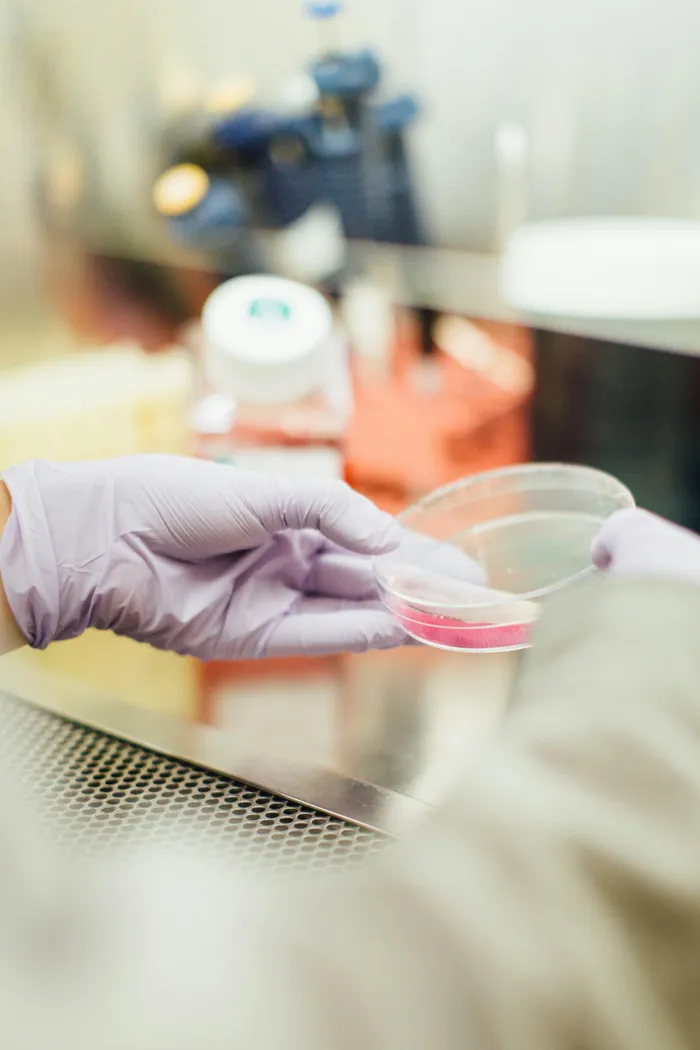
The combination of Sermorelin and Ipamorelin—two growth hormone secretagogues—has garnered attention in the fields of biochemical and endocrine research
Image: Supplied
The combination of Sermorelin and Ipamorelin—two growth hormone secretagogues—has garnered attention in the fields of biochemical and endocrine research. Sermorelin, a synthetic fragment of growth hormone‑releasing hormone (GHRH), and Ipamorelin, a pentapeptide ghrelin receptor agonist, are believed to each exhibit distinct receptor affinities and signaling pathways.
While they are thought to stimulate growth hormone (GH) secretion individually, blending them may provide a research tool to probe complex endocrine, metabolic, and regenerative mechanisms. This article examines their mechanisms, hypothesized synergetic interactions, and experimental research implications, focusing strictly on experimental contexts and research models.
Sermorelin: GHRH Analogue and Pulsatile Secretagogue
Sermorelin is a 29‑amino-acid peptide representing the minimal sequence needed to activate the GHRH receptor (GHRH‑R) in somatotroph cells of the anterior pituitary. It is suggested to elicit pulsatile GH release through physiological GHRH-R activation, thereby maintaining endogenous GH rhythms rather than inducing prolonged exposure to GH. Research suggests that the peptide may elevate GH levels by over 80% above baseline for a limited duration—typically around two hours—in research models.
Mechanistically, Sermorelin seems to engage the GHRH‑R, triggering cAMP–PKA pathways within pituitary cells. Studies suggest that it might also upregulate GH gene transcription and reinforce feedback control via somatostatin, which helps preserve the pulsatile release pattern. This mimics physiological release and avoids the constant elevation typically associated with exogenous GH analogs.
Ipamorelin: Ghrelin Mimetic with High GH Specificity
Ipamorelin is a synthetic pentapeptide (Aib‑His-D‑2‑Nal-D‑Phe-Lys‑NH₂) that selectively binds to the ghrelin receptor (GHS‑R1a), triggering GH secretion without elevating cortisol or prolactin. Cryo-EM structural studies suggest that Ipamorelin enters a hydrophobic pocket of GHS‑R, acting as a potent agonist that promotes conformational changes necessary for receptor activation. The peptide’s D-amino acids in the sequence offer structural stability and receptor affinity, enhancing its specificity.
Functionally, Ipamorelin is proposed to activate GHS‑R1a in pituitary cells, increasing intracellular cAMP and mobilizing calcium, ultimately leading to GH secretion. Its action is highly selective; investigations purport that it suppresses somatostatin release while avoiding modulatory interactions with other hormones. Reported GH elevations after Ipamorelin exposure exceed 6000 % compared to placebo in some research protocols, albeit with a transient spike (30–60 minutes).
Hypothesized Synergy Between Sermorelin and Ipamorelin
Given their distinct mechanisms—GHRH‑R versus GHS‑R1a—the combination of Sermorelin and Ipamorelin is hypothesized to produce a complementary or even synergistic GH signal. This could manifest through two intersecting routes:
Dual Receptor Activation
Studies suggest that Sermorelin may initiate GHRH–R–mediated pulses of GH, while Ipamorelin might amplify peak amplitude via GHS–R–mediated bursts. Investigations purport that their combination might intensify GH release in a balanced pattern.
Intracellular Signaling Amplification
Research indicates that the two peptides may co-activate distinct intracellular cascades—Sermorelin via PKA signaling and Ipamorelin via cAMP and calcium pathways—that converge on GH secretion. This dual activation is believed to support downstream signals, such as PI3K/Akt and MAPK, which are relevant to cellular growth and metabolism.
Preliminary data suggest a synergistic interaction with GH dynamics, producing both sustained and high-amplitude peaks, which may offer finer control in research studies.
Research Implications Across Experimental Domains
- Metabolic Research
GH and IGF-1 dynamics are central to metabolic processes, including glucose handling, lipid turnover, and protein synthesis. Investigations purport that the blend may be relevant to investigations into how acute versus sustained GH release patterns interact with metabolic endpoints in research models of diabetes or obesity. Ipamorelin alone has been proposed to support glucose metabolism and reverse glucocorticoid-induced bone suppression.
- Tissue and Cell Aging
GH pulses play roles in tissue repair, collagen synthesis, and cellular resilience. Blending Sermorelin’s rhythmic signal with Ipamorelin’s peak stimulation is thought to provide insight into repair mechanisms in skin, cartilage, and connective tissues. Investigations purport better-supported collagen synthesis and tissue healing potential in cardiac, neuronal, and dermatological contexts when similar secretagogues are relevant in scientific research.
- Bone and Skeletal Dynamics
Ipamorelin has been linked to better-supported bone mineral content and bone growth in research models, specifically in the vertebrae and long bone regions. Combined with Sermorelin, this blend may be employed to explore GH-synchronized bone remodeling, trabecular architecture, and signaling via IGF-1 in growth plates.
- Gastrointestinal Motility
Ipamorelin is noted for accelerating gastric emptying and supporting overall motility, especially in postoperative delay research models. The blend may be valuable in mechanistic research of enteroendocrine responses, ghrelin-driven motility pathways, and interactions with parasympathetic signaling.
- Cardiac Regeneration and Vascular Growth Research
Preliminary research suggests that GHRH analogs, such as Sermorelin, may reduce cardiomyocyte death, foster collateral vessel formation, and modulate inflammation in cardiac injury models. The dual-peptide approach may support regenerative signaling in the myocardium, promote angiogenesis, and stimulate cardiac stem cell populations in research models.
Methodological Considerations
To elucidate the properties of the peptide blend, a rigorous experimental design is essential:
- GH and IGF‑1 Profiling: Serial sampling to chart pulsatile GH release and IGF‑1 responses across blend, single-peptide, and control groups.
- Signal Pathway Monitoring: Measuring activation states of cAMP, PKA, Akt, and MAPK pathways in target tissues.
- Histological and Imaging Analysis: Analyzing tissue morphology in muscle, bone, skin, and cardiac samples—using histology, pQCT, or electron microscopy.
- Functional Outcome Measures: Assessing metrics such as gastric transit time, muscle repair after injury, and bone strength in standardized models.
- Gene Expression Studies: Profiling transcriptomic changes in GH/IGF‑1 pathways, collagen synthesis genes, and metabolic networks to identify peptide-specific signature patterns.
Future Directions and Speculative Pathways
The blend of Sermorelin and Ipamorelin is believed to offer several future research trajectories:
- Combinatorial Secretagogue Studies: Pairing the blend with other neuropeptides—like IGF‑1 analogs, Oxytocin, or peptide hormones—to dissect multi-hormonal crosstalk.
- Spatial Signal Mapping: Employing neuroimaging or cell tracing to locate GH/IGF‑1 responsive cells across organs in response to blend exposure.
- Cellular Aging and Frailty Models: Applying the blend in aged cellular research models to explore its potential to modulate cellular senescence, muscle atrophy, or metabolic decline.
- Regenerative Science Platforms: Using the peptide blend to activate endogenous progenitor cells in tissues such as heart tissue, skin cells, and bone, possibly combined with biomaterials and scaffold systems.
Conclusion
The Sermorelin–Ipamorelin peptide blend exemplifies a targeted, multi-receptor strategy for modulating GH secretory dynamics in research environments. By combining pulsatile, physiological GH signaling with selective amplitude support, this pairing may serve as a powerful tool for studying metabolic processes, tissue regeneration, gastrointestinal physiology, bone integrity, and cardiac repair.
While further research is necessary—especially regarding concentration, receptor dynamics, and systemic interplay—the blend presents fertile ground for experimental exploration, offering refined insight into growth hormone biology and peptide-mediated modulation. Visit https://biotechpeptides.com/ for the best research compounds available online.