Silent battle is over: Social media gives BLM cause a voice
In 1930, principles prevented the celebrated
artist Romare Bearden from scoring a very lucrative baseball contract.
Management of the Philadelphia Athletics team wanted him to pretend to be white to satisfy their supporters, something which he could’ve easily pulled off, considering how very light-skinned he was for an African American.
A generation later another black player, Jackie Robinson, had a very different problem.
But before he could become the first black man to play major league baseball, his boss personally tested his reaction to racial slurs and insults, to make sure it wouldn’t bother him on and off the field.
At the 1936 Olympics in Germany, Hitler was reportedly very annoyed at how well the African American track athletes were doing.
Jesse Owens was among those to shatter his Aryan Nazi dreams by taking home four gold medals from the games.
Thirty-two years later, at the Olympic Games in Mexico, American athletes John Carlos and Tommie Smith used their moment on the podium to raise their fists during the American national anthem.
They were wearing black gloves and no socks in protest over the poverty of African Americans.
For their troubles, they were shunned, kicked off the team and sent home.
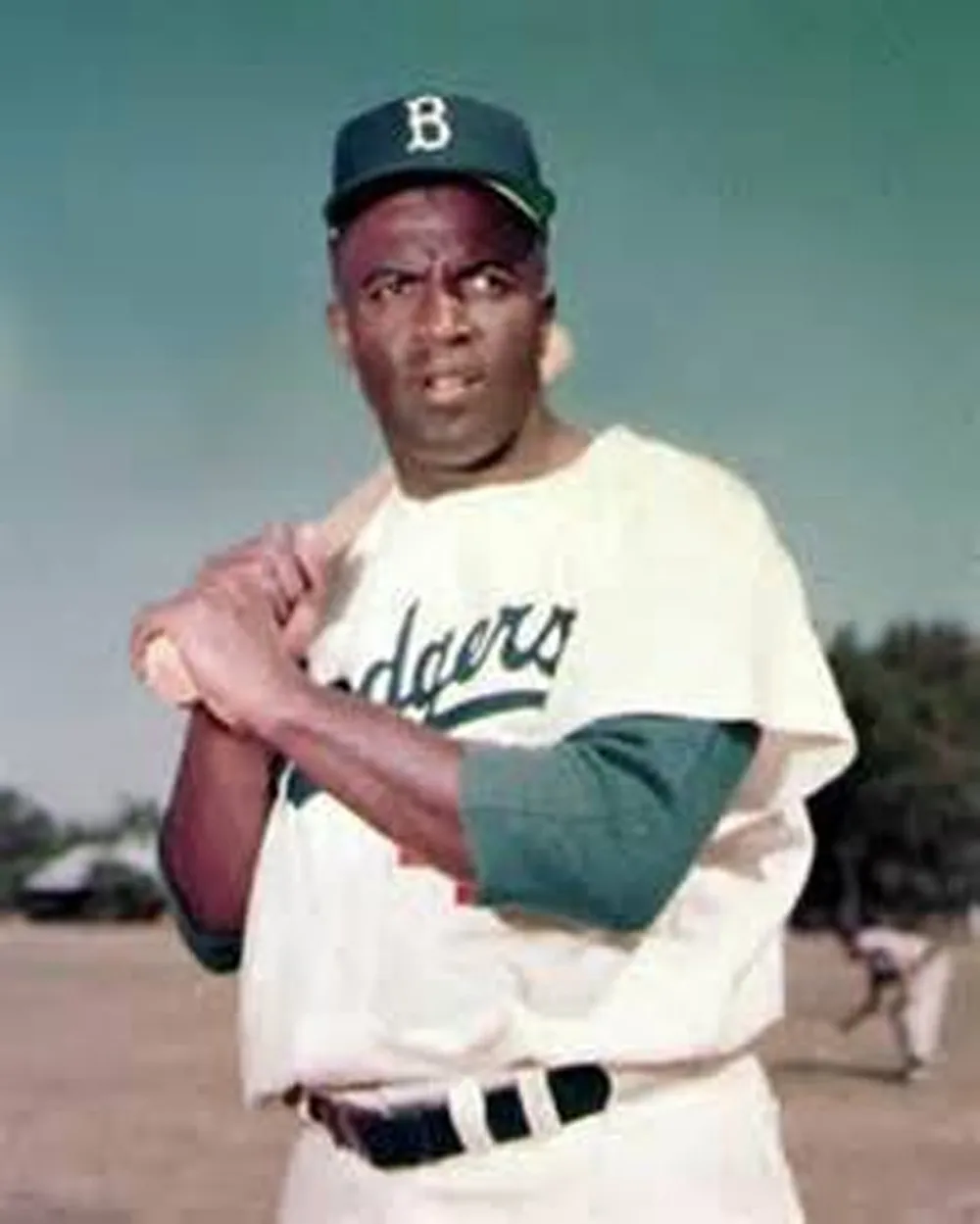
First black baseball player Jackie Robinso
Fast-forward to 2016 and American football player Colin Kaepernick becomes sport’s poster boy against racial injustice and police brutality, triggering dozens of black players of other disciplines to drop to one knee in a global chorus of support.
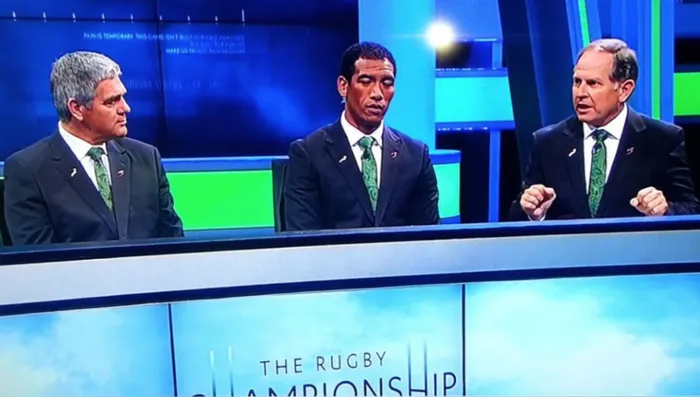
Two years later, Ashwin Willemse walked off the SuperSport set,
during that nasty incident with Nick Mallett and Naas Botha.
It has become clear that institutionalised racism in sport has been a silent battle being fought on pitches and in locker rooms for generations, but that is now finally being forced into the glare of
public scrutiny.
Most recently, local cricket entered the fray, with Proteas fast bowler Lungi Ngidi leading the charge and getting massive support from follow players of colour, both current and older ones, like Ashwell Prince and Hashim Amla.
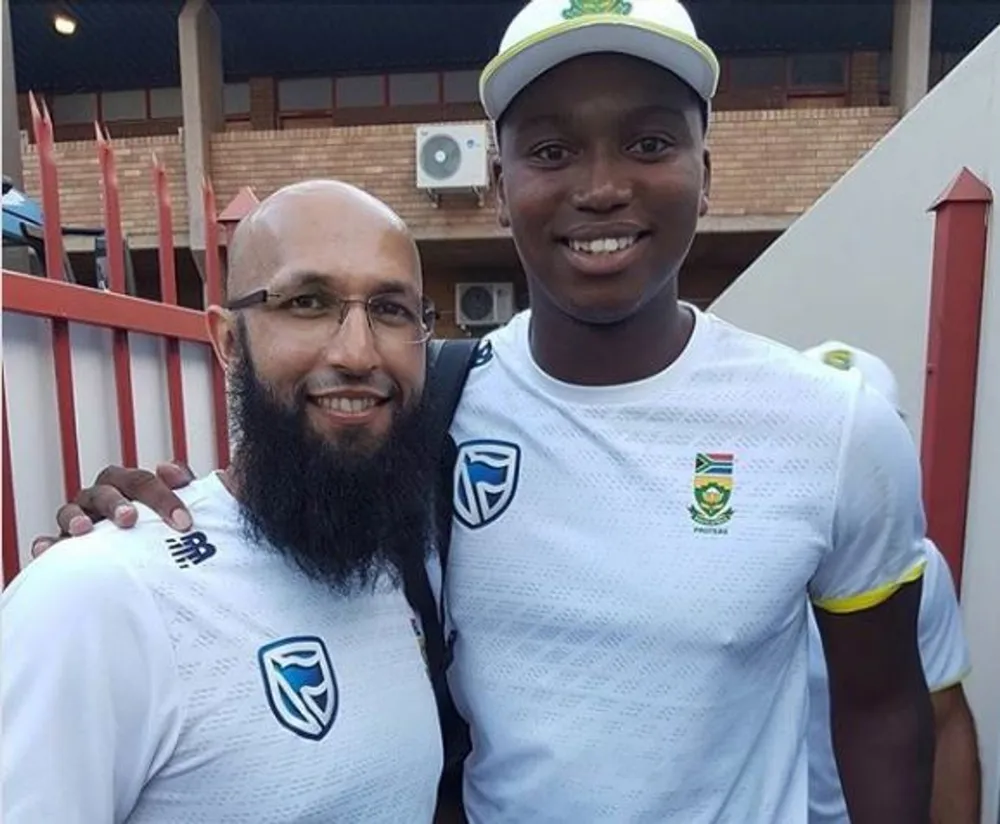
Proteas fast bowler Lungi Ngidi and cricket legend Hashim Amla
A few white players have made tone-deaf comments, but I believe more so out of ignorance than racist arrogance.
So if this has been a long time coming, why is this time potentially the major game changer?
The short answer is technology; the fast distribution of information unlike ever before.
The longer answer is a combination of societal changes, which boils down to social convergence.
They have always happened, it’s just happening faster now that we have the internet, social media and smartphones with which to access it quickly.
Before the internet, we may only have heard a sanitised version of Kaepernick’s protest several months later, or maybe even never.
The time is ripe because of a variety of changes and incidents happening simultaneously, triggering each other and sustaining the Habana-like momentum we are experiencing at the moment.
You may not see the connection between the #BlackLivesMatter campaign, the #MeToo movement, civil rights battle of the LGBTQI+ community, the anti-GBV drive and the demands for change in the sporting arenas of the world; and they are essentially very different social battles.
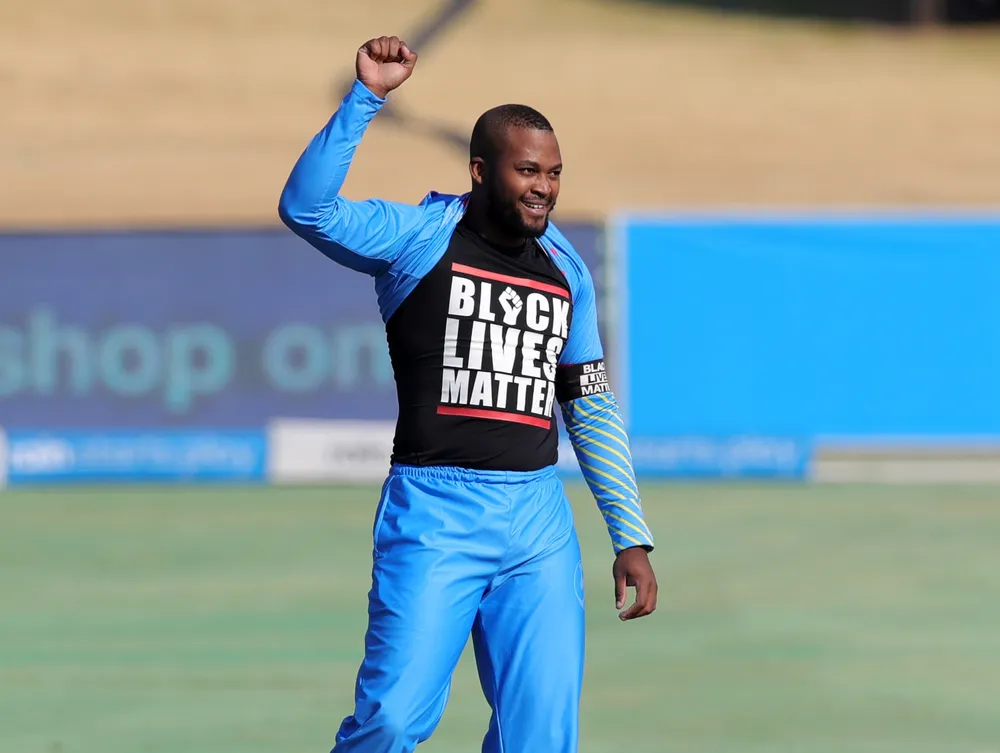
Andile Phehlukwayo raised his right hand and removed his shirt after taking Heinrich Klaasen’s wicket in the 3TC Solidarity Cup match to showcase a “Black Lives Matter” logo emblazoned on his chest. Photo: Samuel Shivambu/BackpagePix
But they are also connected by the fact that as a group of minorities, they make up a massive majority; and of course the tools they use - technology.
And it is technology that has focused society’s attention sharply on the issues, every time something new comes along threatening to steal away the attention.
And the most important ingredient of the changes that have brought us to this point of no return is the youth.
The Arab Spring has proven to them that they can effect change, using the digital devices that they are so attached to.
The instant-everything culture that we have helped them to create, has made them impatient.
The slow integration that we have encouraged them to live, has peeled away their prejudices, for the most part.
They are not going to wait 100 years for change.
They want to live the changes that history has promised.
They are going to drag us kicking and screaming into the multi-racial future that is long overdue, whether we’re ready or not.