Rek Your Cheque: Reap the benefits of a saving habit
Happy New Year to all our readers! May 2021 be a great year for us all!
Sadly, we have to acknowledge that 2021 might just be as hard, if not harder, than 2020.
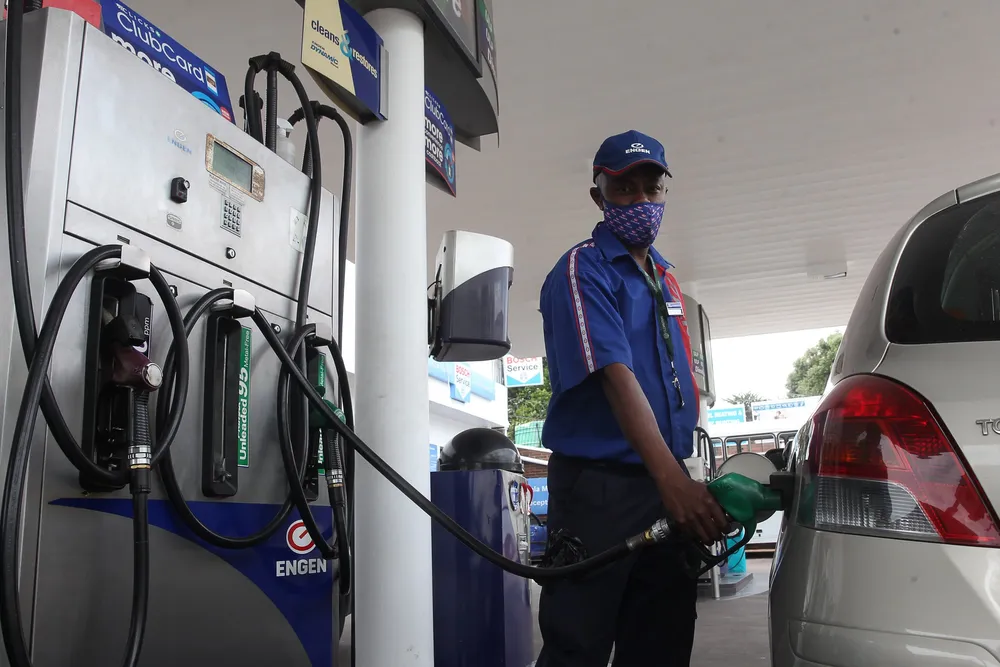
Tomorrow petrol will cost over R14/litre in Cape Town.
The Energy Department has announced an increase of 43c/litre of petrol.
Diesel will go up by 55c/litre and illuminating paraffin will cost between 55c and 74c more. Welcome to 2021.
According to the TransUnion credit bureau’s South Africa Industry Insights Report for the third quarter of 2020, the serious delinquency rate (accounts that are three or more payments past due) for clothing accounts was 34.3%; 32.8% for non-bank personal loans; 22.4% for bank personal loans (total personal loan delinquency rate is 55. 2%), 12.2% for credit cards; 7.8% for home loans and 7.2% for vehicle finance.
TransUnion’s Financial Hardship Survey in South Africa also showed that almost four in five (80%) consumers reported that their household income had been negatively impacted by Covid-19.
The survey showed that concerns about people’s ability to pay bills and loans remained high at 85%. People are struggling and will in all likelihood continue to do so this year.
I often read articles on the internet about how to better our financial situation, and all that comes to my mind is, damn, but you are out of touch with what is happening at ground level.
Telling people who are struggling to scrape together money for their rent to switch investments and diversify their stock exchange portfolio makes no sense at all.
So what should the ordinary South African consumer be doing?
- Set goals, draw up a budget and hold yourself accountable.
- Track your spending on a weekly basis and track the progress with regard to your financial goals at set times in the year.
- SAVE some money. Even if it’s the smallest amount. Just have something put aside for that rainy day, which undoubtedly will come.
- When your salary or wages get paid into your account, arrange with your bank to have an automatic transfer of a certain amount go into a savings account.
- That way you don’t have a choice but to save something and it just becomes part of your way of life.
- Don’t make debt for things you don’t absolutely need.
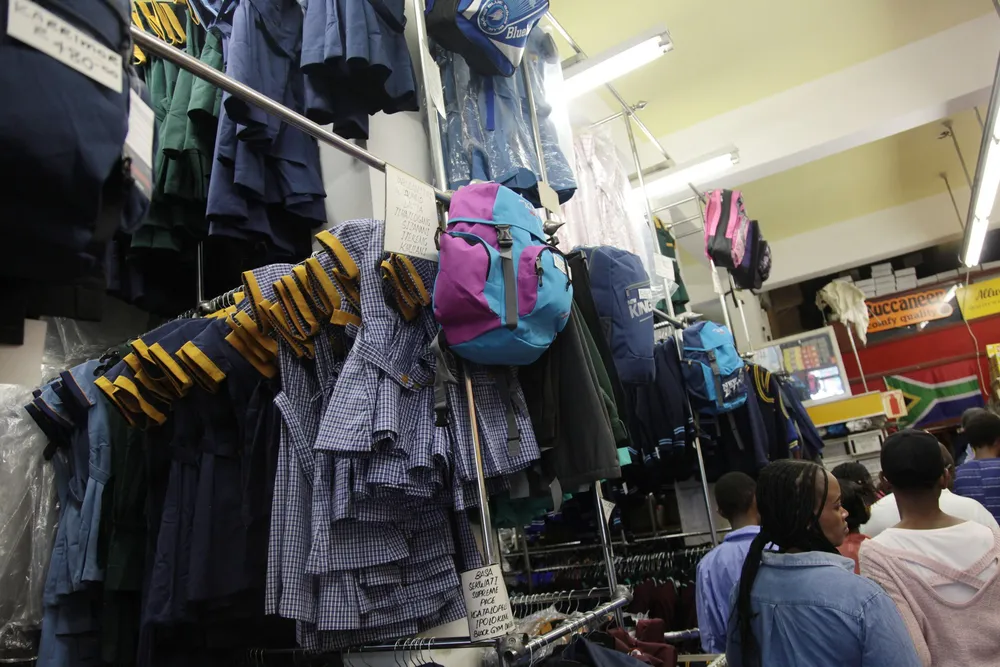
- Don’t procrastinate on what needs to be paid/bought. If you haven’t already bought school stationery and uniforms, buy it now.
- If your children can still fit into their school uniforms from last year, let them wear it. There is no law that says they must have new school uniforms in January.
- Get all your paperwork in order if you want to apply for a school fee exemption or a Sassa grant.
- Recycle, re-use, re-wear, and repurpose anything and everything that you can.
- Buy second-hand or swop things out with family and friends instead of buying new.
- Keep your credit record clean and get your credit score up. You never know when you might need an emergency loan for medical expenses or school fees.
- Medicines and immune boosters are expensive – make your own from the garlic, ginger, turmeric, honey and other fresh fruit and veggies we can get from our roadside hawkers.
- Skip the expensive takeaways, cook food and freeze leftovers.
- Switch off your geyser and all other electrical appliances when you are not using them.
- Saving R10 a day on electricity from switching off appliances, adds up to R300 for the month – that can go towards something else.
- Unsubscribe from apps you don’t use, magazines you don’t read and gyms you don’t go to.

- Now more than ever is the time to change your mindset around name brands. From clothing to food and appliances – buy what you can afford, not what our brand-conscious society tells you to.
- If you are tired of sitting at home waiting to get a job, then volunteer your time and expertise somewhere worthy. You can add this to your CV.
- Get a side hustle. The struggle is real – find a way of supplementing your income.
- And finally, support local small businesses.
How to pay off your debt:
Everyone (including me) keeps preaching that you should pay your debts, but no one ever explains how to do it.
Well, here are the most common debt payment methods:
Snowball method: Here, you pay your smaller debts off first. Psychologically, this method works well, because there is a real sense of achievement when you can square up an account, close it and move onto the next one.
Avalanche method: With this method, you pay off debt with the highest interest rate first. You’ll save money in the long run by keeping interest charges under control.
- First pay the minimum payment on all of your debts. Then put any additional money toward the account with the highest interest rate.
- Then continue to do this until the high-interest account is paid off.
- Then, take the minimum payment you were paying on the first debt, as well as any additional cash, and put that toward the account with the next-highest interest and so on.
If you feel overwhelmed, contact a credible, registered debt counsellor for help.
*Moeshfieka Botha is Head of Research and Consumer Education at National Debt Advisors. For more debt and personal finance information visit www.nationaldebtadvisors.co.za