No krag is not a joke: Eskom circus having a terrible domino effect on SA
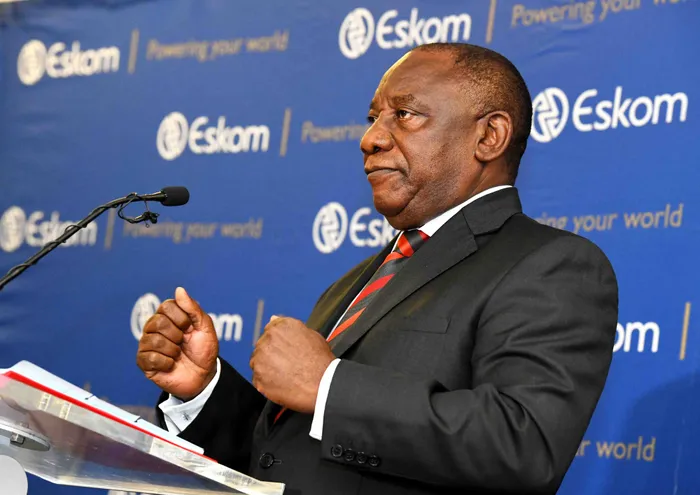
DO SOMETHING! Cyril Ramaphosa. Picture: Jairus Mmutle/GCIS
South Africa is an actual circus run by clowns, with the paying public given nothing but sub-standard performances, and then told to go home and be happy with it!
On Thursday, January 13, the National Energy Regulator of South Africa (Nersa) approved Eskom’s tariff application, which resulted in an electricity price increase of 18.65% for the 2023/24 financial year, coming into effect on April 1.
South Africans were so enraged by this, that they seemed to miss the fact that Nersa gave Eskom another 12.74% increase for the 2024/25 financial year.
So let’s just look at what we know about Eskom:
Currently, stage 6 load shedding sees us having 10 hours a day without electricity;
South Africa spent the equivalent of over 120 days in darkness last year;
The tariff increase of 18.65% is nearly three times the inflation rate of 7.4%;
In the last 15 years (since 2007) electricity has increased by over 800%;
Eskom’s debt makes up 20% of the country’s entire debt;
It is estimated that more than R500 billion has been lost at Eskom due to corruption over the past decade.
Now, let’s look at what we know about our country:
The unemployment rate in South Africa stands at nearly 35%;
29 million people receive social grants in South Africa;
It is estimated that 13.8 million people are living below the food poverty line of R663 a month;
About 14 million South Africans are struggling with their debt repayments;
Productivity of those who are employed is hugely affected by load shedding;
Many businesses simply can’t carry the cost of load shedding anymore, and small and medium enterprises are closing.
What does Eskom and our president say about this:
In a statement by Eskom on January 14, it said it “appreciated” the fact that Nersa had granted the increase.
On the same day, Presidency spokesperson Vincent Magwenya said that President Cyril Ramaphosa “deeply regrets” South Africa’s electricity crisis, but that “his hands are tied”.
To say that I am gatvol about this constant load shedding and increase in electricity tariffs is an understatement!
More so, because I truly feel like the ordinary, paying citizens are not being seen or heard.
It’s like they know that all we will do is moan on Facebook and put out some angry tweets – but at the end of the day, we will just accept it.
Now, it seems that Stage 8 load shedding is on the cards as big business opened for the new year and there is more demand for power.
How do Eskom and government expect us to function as a country, much less flourish?
I am also hugely unimpressed with all the websites telling people to “switch to solar, get inverters and buy generators”.
With all due respect – those are “rich” people’s options.
In order to use any one of these systems you have to have money set aside, or have access to credit or get a loan to be able to fund it.
Many people simply don’t have this luxury. Most are struggling just to make ends meet.
According to Samsoneesa Taliep of ezDebt, things are not looking good on the debt front either.
“Consumers were rocked last year by the constant rising of fuel prices, food costs and interest rates,” she explains.
“The increase in the repo rate meant that their debt repayments, and in particular their bond repayments, were hugely affected.
“Typically, on a home loan of R800 000, the bond repayment was R6 323/pm in January 2022.
“By December, this had gone up to R7 987.”
“That is an increase of R1 664/m – on the bond repayment only. What about the other debt?
“Where are people supposed to find the additional money?
“The increase in electricity tariffs seems likely to be the straw which breaks the camel’s back.”
She advises: “I would really suggest that people do what they need to get their debt under control, especially if they are planning to make large purchases in the future, which require a good credit score.
“Don’t skip debt repayments – instead speak to your creditors directly, or speak to a registered debt counsellors regarding your debt options. Whatever you do, do something.
“Become proactive about your finances and don’t wait for your assets to be repossessed before you wake up to the reality of your situation.”
She concludes by saying: “With all these rising costs, there is no shame in acknowledging that you can no longer afford today, what you could a year, or even a month ago. Everyone is struggling.”
One of my biggest concerns is that there seems to be no clear plan in terms of how Eskom will get us out of this mess they put us in.
Is this going to be the model that we blindly follow? Do we take the money we have set aside for bread to buy krag, and then just vent about it on social media?
Will we just stand by as businesses close down and people lose their jobs because of load shedding?
It’s quite simple – we can’t afford to pay more for electricity that we aren’t getting in the first place! It’s as if consumers are rewarding the system for bad service.
Somewhere along the line, civil society in South Africa (as in many other countries all over the world) needs to stand up and say “enough is enough”.
For if we don’t, this particular circus will stay in town!